



There is no single "winner." Both dragon fruit and blueberries are nutritional powerhouses, but they excel in different areas of health promotion. The healthier choice depends entirely on your specific wellness goals. Blueberries are arguably the more research-backed "superfood," with extensive scientific evidence supporting their benefits for cardiovascular health, cognitive function, and blood sugar regulation, largely thanks to their exceptional anthocyanin content [1]. Dragon fruit is a premier choice for digestive health, providing a significant dose of prebiotic fiber, unique antioxidants like betacyanins, and essential minerals. For optimal health, incorporating both into your diet is the ideal strategy.
The pursuit of a healthier diet often leads us to compare vibrant, nutrient-dense fruits. The striking pink dragon fruit (pitaya) and the deep blue blueberry are two such contenders, frequently celebrated in wellness circles. Both are undeniably healthy, but their nutritional profiles and the scientific evidence behind their benefits differ significantly. This article delves into a detailed, evidence-based comparison to help you understand which fruit might best serve your individual health objectives, turning marketing hype into actionable knowledge.
Nutritional Breakdown: A Side-by-Side Comparison
Before exploring their specialized benefits, let's examine their foundational nutritional composition. The following table provides a clear snapshot of what a standard 100-gram serving offers.
Table 1: Basic Nutritional Composition per 100g (Approximate)
| Nutrient | Dragon Fruit (Red-fleshed) | Blueberries |
|---|---|---|
| Calories | ~60 kcal | ~57 kcal |
| Dietary Fiber | High (~3g), includes prebiotic oligosaccharides | Good (~2.4g) |
| Sugars | ~8-10g | ~10g |
| Vitamin C | Excellent source (~10mg, ~11% DV) | Very good source (~9.7mg, ~11% DV) |
| Antioxidants | Betacyanins (red flesh), Vitamin C, Polyphenols | Anthocyanins (primary), Flavonoids, Phenolic Acids |
| Key Minerals | Rich in Iron and Magnesium | Contains Manganese and Potassium |
| Other Notable Compounds | Prebiotic Fiber, Betalain pigments | Resveratrol (in skins) |
From this baseline, it's evident that both are low-calorie, vitamin C-rich fruits. The initial divergence lies in dragon fruit's higher fiber and mineral content (especially iron and magnesium), versus blueberries' unparalleled diversity of flavonoid antioxidants.
The Science of Health Benefits: Where Each Fruit Excels
This is where the comparison becomes fascinating, as each fruit's unique bioactive compounds steer them toward different health victories.
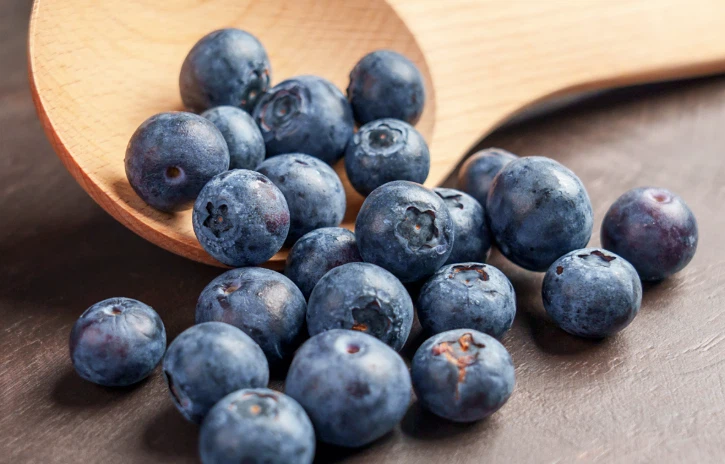
Blueberries: The Anthocyanin Champions
The profound health benefits of blueberries are overwhelmingly linked to their deep blue pigment, derived from a class of polyphenols called anthocyanins[2]. These compounds are potent antioxidants and anti-inflammatory agents, and a 2024 scientific roundtable of experts synthesized their effects into several key domains[1].
- Cardiovascular Health: Regular consumption is strongly associated with improved vascular function, helping to lower blood pressure and reduce arterial stiffness. This is a cornerstone of their evidence-based benefits.
- Cognitive Function & Brain Health: Anthocyanins can cross the blood-brain barrier. Research indicates they support brain function, potentially protecting against age-related cognitive decline and improving memory in individuals with existing conditions.
- Blood Sugar Regulation: Blueberries show promise in supporting insulin sensitivity and protecting against the progression of pre-diabetes to type 2 diabetes.
- Gut Health & Exercise Recovery: Emerging research highlights that blueberry anthocyanins interact positively with gut microbiota. Furthermore, their anti-inflammatory properties can aid recovery from exercise-induced muscle damage.
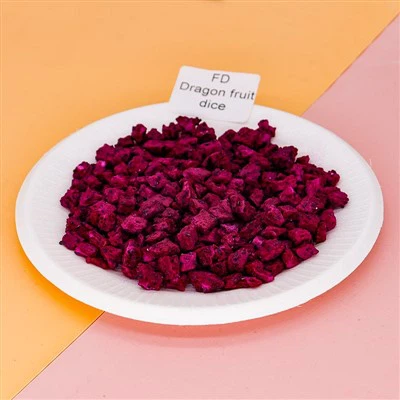
Dragon Fruit: The Prebiotic and Unique Antioxidant Powerhouse
Dragon fruit's benefits stem from a different cocktail of compounds: prebiotic fibers, betacyanins (in red varieties), and vitamin C. Scientific reviews label it as an "incredible functional food" with multiple therapeutic values.
- Digestive and Gut Health: This is dragon fruit's standout feature. Its high fiber content, including prebiotic oligosaccharides, promotes regular bowel movements and acts as fuel for beneficial gut bacteria, supporting a healthy microbiome.
- Antioxidant & Anti-inflammatory Activity: The betacyanin and polyphenol compounds in red dragon fruit exhibit significant antioxidant capacity, helping to neutralize free radicals and reduce cellular inflammation[3]. In-vitro studies have shown dragon fruit extracts effectively attenuate oxidative stress.
- Metabolic and Blood Sugar Support: Preliminary pre-clinical research is promising. Studies suggest dragon fruit peel and pulp extracts may inhibit intestinal enzymes like α-glucosidase, which can help modulate post-meal blood sugar spikes. Its potential anti-diabetic and anti-hyperlipidemic (cholesterol-lowering) activities are noted in reviews.
- Micronutrient Boost: It is a surprisingly good source of iron, important for oxygen transport in the blood, and magnesium, which is crucial for hundreds of enzymatic reactions in the body.
Table 2: Summary of Key Evidence-Based Health Benefits
| Health Domain | Blueberries (Key Driver: Anthocyanins) | Dragon Fruit (Key Drivers: Fiber, Betacyanins) |
|---|---|---|
| Heart Health | Strong evidence: Improves vascular function, lowers blood pressure. | Emerging evidence for lipid-lowering and antioxidant support. |
| Brain & Cognition | Strong evidence: Supports cognitive function, protects against age-related decline. | Limited direct evidence. Indirect support via general antioxidant activity. |
| Blood Sugar Control | Good evidence: Improves insulin sensitivity. | Pre-clinical evidence: May inhibit sugar-absorbing enzymes. |
| Digestive & Gut Health | Indirect support via gut microbiome interactions. | Primary strength: High prebiotic fiber promotes regularity and gut flora health. |
| Antioxidant Power | Extremely high from diverse anthocyanins and flavonoids. | High from betacyanins (red flesh), vitamin C, and polyphenols. |

Making the Right Choice for Your Goals
Given their distinct strengths, your choice should align with your personal health focus.
- Choose Blueberries If: Your primary goals are supporting long-term heart health, safeguarding brain and cognitive function, or managing blood sugar levels. The volume and consistency of human clinical evidence behind blueberries are particularly compelling in these areas.
- Choose Dragon Fruit If: You are seeking to significantly improve digestive regularity and gut health, need a boost of iron or magnesium in your diet, or want to diversify your antioxidant intake with unique compounds like betacyanins. It is a superior choice for foundational digestive wellness.
- The Ultimate Answer: Enjoy Both. There is no need to restrict yourself. Combining them creates a synergistic effect. The anthocyanins from blueberries and the prebiotic fiber from dragon fruit can work together to foster a healthier gut environment, which in turn can enhance the bioavailability and effectiveness of the antioxidants from both fruits.
Practical Tips for Consumption
- Form Matters: For both fruits, whole, fresh consumption is ideal to get the full spectrum of fiber and nutrients. Be wary of juices or dried snacks with added sugars.
- For Dragon Fruit: Opt for red-fleshed varieties when possible to maximize your intake of betacyanin pigments. The small, edible black seeds provide additional healthy fats and fiber.
- For Blueberries: Eating them raw and with their skin is crucial, as the skin contains the highest concentration of anthocyanins and resveratrol.
Conclusion
In the vibrant showdown between dragon fruit and blueberries, the most honest answer is that both deserve a place in a healthy diet. Blueberries stand out for their well-researched, broad-spectrum protective effects on the heart, brain, and metabolism, powered by their exceptional anthocyanin content. Dragon fruit shines as a digestive aid and a source of unique antioxidants and essential minerals, offering benefits that are just beginning to be fully understood by science.
Instead of asking which one is healthier, a more fruitful question is: "What does my body need today?" Listen to its cues, diversify your fruit intake, and you'll reap the remarkable, complementary benefits of nature's most colorful offerings.

