Company Profile

TIANJIN TTN Technology Company Limited is a professional foodstuff Manufacturer with more than 10 years experience. TJTTN focus on supplying healthy foodstuff to the world, help people have more choice on foodstuff. Food can be not only taste good, but also be healthier. We TJTTN would like to be your manufacturing partner, together to a shared future.
FD fruit - 8 advanced freeze-dried production line, 100 tons finished freeze dried fruit annual.
Veggie chips - 20 vacuum fried production lines, 150 tons finished vegetable chips annual.
Our factory are certified by HACCP, KOSHER, BRC, ISO22000. Every batch freeze dried fruit and vegetable will be test by QC department 3 times at least. Vacuum fried oil will be test twice one day.
High-quality products and services have won the unanimous praise of customers, become the most solid and powerful backing of customers, to assist customers to develop forward together

First 1234567 Last 1/12
Why choose us?

High quality

Our products are manufactured or executed to very high standards, using the finest materials and manufacturing processes.

Customized services

We understand that each customer has unique manufacturing needs. That’s why we offer customization options to cater to your specific requirements.

One-stop solution

We can offer a range of services, from consultation and advice to product design and delivery. It is a convenience for the customers, as they can get all the help they need in one place.

Rich experience

We offer a variety of transmission components, including sprockets, roller chains, gears, couplings, racks, hubs, pulleys, taper sleeves, bearing seats, and more.


What is Veggie Chips?


Veggie chips are a type of snack food made from thinly sliced and fried or baked vegetables, typically root vegetables such as sweet potato, carrot, beetroot, and parsnip. They are often marketed as a healthier alternative to traditional potato chips or crisps, as they are usually lower in calories and fat. Some brands may also include other vegetable ingredients such as kale, spinach, or zucchini. Veggie chips can be found in most grocery stores and are popular among health-conscious consumers.


Benefits of Veggie Chips


Healthier snack option

Veggie chips are made from vegetables, which are packed with essential nutrients like fiber, vitamins, and minerals. Compared to traditional potato chips that are high in fat and sodium, veggie chips are a healthier snack choice.


Lower in calories

Veggie chips are lower in calories compared to potato chips. This makes them a great snack option for those who are conscious about their calorie intake or trying to maintain a healthy diet.


Variety of flavors

Veggie chips are available in a variety of flavors such as beetroot, carrot, sweet potato, and kale, among others. This means you can enjoy a variety of tastes and textures with veggie chips.


Lowers Cholesterol

Veggie chips are often made by baking as compared to traditional potato chips which are fried in oil. Cooking techniques like baking help to maintain the nutritional value of ingredients and lower levels of cholesterol.


Great for dipping

Veggie chips are an excellent option for dipping sauces, hummus, or other healthy dips that complement their taste.


Gluten-free

Many veggie chips are made with gluten-free ingredients, which means they are a great snack option for those with gluten sensitivities or celiac disease.


Convenient to carry

Veggie chips are light and easy to carry, making them the perfect snack option to pack for work, school, or travel.


Vegan-friendly

Veggie chips are typically made with vegan ingredients, which means they are a great snack option for those following a plant-based diet.


Types of Veggie Chips

Kale chips
Made from kale leaves that have been washed, dried, and seasoned, then baked or dehydrated until crispy. Kale chips are popular for their crunchy texture and rich, earthy flavor.

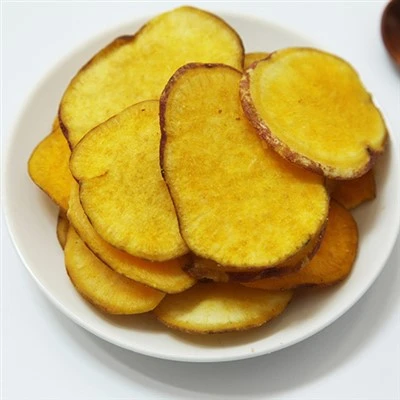
Sweet potato chips
Thin slices of sweet potatoes that are either baked or fried until crispy. Sweet potato chips are slightly sweet and have a milder taste compared to regular potato chips.

Beet chips
Thinly sliced beets that are either fried or baked until crispy. Beet chips are known for their deep red color and slightly sweet flavor that's reminiscent of earthy, roasted beets.

Mushroom chips
Sliced mushrooms that are dehydrated or baked until crispy and seasoned with herbs and spices. Mushroom chips have a rich, earthy flavor and are a great option for vegetarians and vegans.

Zucchini chips
Made from thin slices of zucchini that are coated in breadcrumbs or flour and seasoning, then fried or baked until golden brown and crispy. Zucchini chips have a delicate flavor and are usually served as a side dish or snack.

Radish chips
Thinly sliced radishes that are either baked or fried until crispy. Radish chips have a slightly spicy flavor and are a good option for those who enjoy a bit of a kick in their snacks.

Snap pea chips
Made from roasted or baked snap peas that have been seasoned and lightly salted. Snap pea chips have a sweet and salty taste and are a popular alternative to potato chips.

Plantain chips
Made from sliced green plantains that are seasoned and fried until crispy. Plantain chips have a savory, slightly sweet, and nutty flavor.

Carrot chips
Thin slices of carrots that are either baked or fried until crunchy. Carrot chips have a slightly sweet taste and are a healthier alternative to traditional potato chips.


Material of Veggie Chips


Veggie chips are snacks made from various types of vegetables that have been sliced and cooked to create a crispy texture. The material used to make them can include a variety of different vegetables, such as sweet potatoes, beets, carrots, kale, spinach, and zucchini. Some veggie chips may also include additional ingredients such as seasonings, oil, and salt to enhance their flavor.


Application of Veggie Chips

As a healthy snack
Veggie chips are perfect for those who are looking for a healthy snack option without compromising on taste. They are a great alternative to traditional chips and come in many different flavors, including beetroot, sweet potato, and kale.


As a party snack
Veggie chips are a great addition to any party platter. They can be served alongside dips and spreads, and can be used to create colorful and tasty party poppers.

As a side dish

Veggie chips can be served alongside main dishes such as burgers, sandwiches, or salads. They are a perfect complement, adding crunch and flavor to your meal.

As a garnish

Veggie chips can be used as a garnish for dishes such as soups, stews, and casseroles. They add a pop of color and flavor to the dish, making it more visually appealing.

As a topping

Veggie chips can be crushed and used as a topping for dishes such as pasta, macaroni, and cheese, or baked potatoes. They provide an extra crunch and flavor to the dish.


Banana Dry Fruit


The Origin of Veggie Chips
  • Veggie chips have become increasingly popular in recent years due to the growing demand for healthier snack options. However, the origins of veggie chips can be traced back centuries.
  • In the past, people have been drying and preserving fruits and vegetables for later consumption. One of the oldest and most popular methods of preserving vegetables is through dehydration. Sun-drying, oven-drying, salting, and smoking are some of the methods used for dehydration.
  • As time progressed, people began experimenting with different techniques to make dehydrated vegetables tastier. The first commercially available vegetable chips were made in the 20th century. In the early 1920s, a man named Edward Snyder found that by cooking sliced potatoes in vegetable oil for an extended period, he could produce a crunchy chip. In 1932, Herman Lay founded Lay's potato chips, which quickly became one of the most popular snack foods in the world.
  • Fast forward to the 21st century, and new technologies have furthered the development of veggie chips. Manufacturers use advanced frying and baking techniques to produce chips made from different vegetables like carrots, beets, sweet potatoes, and kale. Some companies even combine different vegetables to create unique flavor profiles.
  • Veggie chips have gained immense popularity due to their healthy nutritional profile compared to traditional potato chips. They contain fewer calories, less sodium, and more fiber, vitamins, and minerals. Moreover, veggie chips offer a unique taste experience that traditional chips cannot replicate.


Process of Veggie Chips
 

Selection of vegetables
First, vegetables are selected based on their texture, flavor, and nutritional value. Only fresh and high-quality vegetables will be chosen for the process.


Cleaning and slicing
The vegetables are thoroughly washed, and any debris or soil is removed. Then they are sliced into thin and uniform pieces using a specialized cutting machine.


Preparing the seasoning
A mixture of different seasonings is prepared based on the desired flavor profile. This may include salt, pepper, herbs, and spices.


Coating the vegetables
The sliced vegetables are coated with a thin layer of oil to help the seasoning adhere, then the seasoning mixture is sprinkled on top evenly.


Baking or dehydrating
The seasoned vegetables are then baked in a preheated oven at a low temperature around 250°F/120°C for around 45-60 minutes or dehydrated in a dehydrator at a low temperature around 130°F/55°C for around 8-12 hours. This process ensures the vegetables are dried out and crispy.


Packaging
After baking/dehydrating, the veggie chips are cooled and packed in airtight packaging to maintain their crispiness and freshness.


How to Maintain Veggie Chips?


Mango Dry Fruit

01.Storage

The proper storage of veggie chips is essential for maintaining their freshness and preventing them from going stale or soggy. You should always store them in an airtight container or resealable bag to prevent any moisture from entering and keep them as dry as possible.

02.Temperature

Keeping your veggie chips at a cool temperature can also help to maintain their texture and taste. It is best to store them at room temperature or slightly below, preferably in a cool, dry place away from direct sunlight, heat, or humidity.

03.Shelf life

When buying veggie chips, check the expiration date to ensure that they are still fresh. Most veggie chips have a shelf life of about six months, but it can vary depending on the brand and the storage conditions.

04.Re-heating

In case your veggie chips turn a bit soggy or lose their crunch, you can reheat them in the oven or microwave for a few minutes. This will help to restore their crispiness.

05.Handling

Veggie chips are fragile and can easily break or crumble, especially during transit. Therefore, it is essential to handle them with care when opening the packet or transferring them to a container.


Nutritional Facts of Veggie Chips

Veggie chips, manufactured from a variety of vegetables like carrots, beets, sweet potatoes, and kale, have become a popular snack in recent years. These crunchy chips are often marketed as a healthier alternative to traditional potato chips, due to their natural ingredients and nutritional benefits.

  • Calories: A serving of veggie chips (approximately 1 ounce) typically contains around 130-140 calories, though this can vary depending on the manufacturer and specific type of veggie chip.
  • Fat: Veggie chips typically contain between 5-7 grams of fat per serving. This is lower than the fat content in traditional potato chips, which can contain up to 10 grams of fat per serving.
  • Carbohydrates: Veggie chips are primarily made from vegetables, which are a good source of carbohydrates. A serving of veggie chips typically contains around 18-20 grams of carbohydrates.
  • Fiber: One of the biggest advantages of veggie chips is that they are often high in fiber. This can help promote feelings of fullness, aid in digestion, and help regulate blood sugar levels. Depending on the brand and type of veggie chip, a serving can contain up to 3-4 grams of fiber.
  • Protein: Unlike traditional potato chips, veggie chips are not a significant source of protein. However, they may contain trace amounts of protein from the vegetables used in their preparation.
  • Vitamins and Minerals: Veggie chips can offer various vitamins and minerals depending on the vegetables used. For example, sweet potato chips might be high in vitamin A, while kale chips could be a good source of vitamin K and calcium. However, nutrient content can vary widely based on the manufacturer and preparation method.

Veggie chips can be a nutritious addition to your snack options. However, it’s important to choose brands manufactured with whole vegetables, low sodium, and free from artificial flavors and colors. As with any snack food, moderation is key!”


Certifications

product-1000-800


Our Factory

FD fruit - 8 advanced freeze-dried production line, 100 tons finished freeze dried fruit annual.
Veggie chips - 20 vacuum fried production lines, 150 tons finished vegetable chips annual.
Our factory are certified by HACCP, KOSHER, BRC, ISO22000.
Every batch freeze dried fruit and vegetable will be test by QC department 3 times at least.
Vacuum fried oil will be test twice one day.

product-800-600
product-800-600
product-800-600
product-800-600
product-800-600


FAQ

Q: What are veggie chips?

A: Veggie chips are thin slices of vegetables that have been fried or baked until crispy.

Q: Are veggie chips healthy?

A: Veggie chips can be a healthier alternative to traditional chips, but they can vary in nutritional value depending on the brand and preparation method. Look for options that are baked instead of fried, and avoid those that are high in sodium or added sugars.

Q: What vegetables are used to make veggie chips?

A: Common vegetables used to make veggie chips include potatoes, beets, carrots, sweet potatoes, kale, and parsnips.

Q: Can veggie chips be homemade?

A: Yes, veggie chips can be made at home using a dehydrator or oven. Simply slice your desired vegetables thinly, season them with spices or herbs, and bake or dehydrate until crispy.

Q: Are veggie chips vegan and gluten-free?

A: Many veggie chip brands are vegan and gluten-free, but it is always important to check the label to ensure they meet your dietary needs.

Q: Can veggie chips be part of a balanced diet?

A: Yes, veggie chips can be part of a balanced diet when consumed in moderation alongside other nutritious foods like fruits, vegetables, whole grains, and lean protein sources.

Q: Are all veggie chips vegan?

A: Not all veggie chips are vegan, as some may contain non-vegan ingredients such as dairy or honey. It is important to check the label or contact the manufacturer if unsure.

Q: How should veggie chips be stored?

A: Veggie chips should be stored in an airtight container in a cool, dry place. They can also be stored in the refrigerator to prolong their shelf life.

Q: What kind of vegetables are used to make veggie chips?

A: Different types of vegetables can be used to make veggie chips, such as sweet potato, carrot, kale, beetroot, parsnip, and pea.

Q: How can I make my own veggie chips at home?

A: To make your own veggie chips at home, you can slice your preferred vegetables into thin pieces using a mandolin or knife, and then bake them in the oven with a little bit of oil and seasoning until crisp. There are also specialized kitchen appliances like air fryers or dehydrators that can be used to make veggie chips.

Q: Do veggie chips taste like vegetables?

A: Veggie chips generally have a similar flavor to the vegetable they are made from, but the texture may be different since they are baked or fried to create a crispy chip texture.

Q: Can I eat veggie chips if I have a gluten intolerance?

A: Most veggie chips are naturally gluten-free since they are made from vegetables. However, it is important to check the label for any added ingredients that may contain gluten.

Q: Are veggie chips vegan-friendly?

A: Most veggie chips are vegan-friendly since they are made from vegetables and do not contain any animal products. However, it is still important to check the ingredients list since some veggie chips may contain cheese or other non-vegan ingredients.

Q: Are veggie chips a healthy snack option?

A: Veggie chips can be a healthier snack option than traditional potato chips since they are typically lower in calories and fat. However, it is important to check the nutrition label since some veggie chips may be high in sodium and other additives.

Q: What types of vegetables are used in veggie chips?

A: The most common vegetables used in veggie chips are potatoes, sweet potatoes, beets, carrots, and kale. However, other vegetables such as zucchini, parsnips, and butternut squash can also be used.

Q: Can veggie chips be part of a weight loss diet?

A: A: Veggie chips can be included as part of a weight loss diet as they are a lower calorie and healthier snack option than traditional potato chips. However, portion control is still important as consuming too many calories can lead to weight gain.

Q: Are veggie chips healthier than regular potato chips?

A: Veggie chips can be healthier than regular potato chips depending on how they are prepared. Most veggie chips are made from root vegetables like sweet potatoes, beets, or carrots, which are generally more nutrient-dense than white potatoes. Additionally, some veggie chips are baked instead of fried, which reduces the amount of saturated fat and calories. However, it's important to note that many store-bought veggie chips can still be high in sodium and added sugars, so it's important to read the nutrition label and choose brands that use whole food ingredients and minimal processing.

Q: Are veggie chips healthier than traditional potato chips?

A: Veggie chips generally have fewer calories and fat than traditional potato chips. They also often contain more fiber and vitamins since they are made from vegetables. However, it's important to check the label as some brands may contain added sugars or sodium.

Q: Are veggie chips a healthier alternative to potato chips?

A: Veggie chips can be a healthier alternative to potato chips, as they are lower in calories and fat. However, it is important to check the ingredients and nutritional information to ensure that they are not high in sodium or unhealthy oils.

Q: What is the best way to enjoy veggie chips?

A: Veggie chips can be enjoyed on their own as a snack or used as a healthy alternative to potato chips in a variety of recipes such as sandwiches, salads, and wraps.

We're well-known as one of the leading veggie chips manufacturers and suppliers in China. If you're going to buy or wholesale bulk discount veggie chips in stock, welcome to get pricelist and quotation from our factory. Also, free sample is available.

flavoured banana chips, frozen vegetable chips, asian banana chips