


Yes, absolutely.
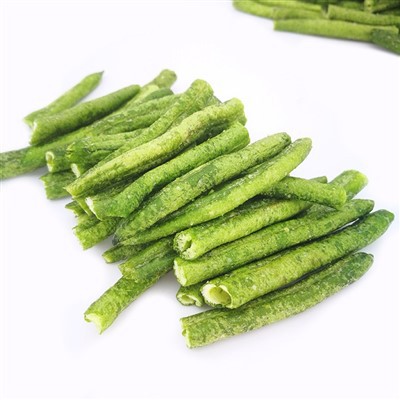
Dehydrated green beans are an excellent snack choice. They transform the notable health benefits of fresh green beans-including high fiber for digestion, essential vitamins, and minerals for heart and bone health-into a shelf-stable, crunchy, and incredibly convenient format. When processed using gentle methods, they retain a significant portion of their original nutrients and offer a satisfying, low-calorie alternative to traditional processed snacks like chips and pretzels.[1]
The Nutritional Powerhouse: What's in a Green Bean?
To understand the value of the dehydrated version, we must first appreciate the raw material. Green beans, whether green, yellow, or purple, are a nutritional standout. They are low in calories and fat but densely packed with vital nutrients.
A single cup of fresh green beans provides a robust 3.4 grams of fiber, which is crucial for digestive health. This fiber helps soften stool and promotes regular digestion, but its role extends further. It aids in balancing the gut microbiome, the community of microorganisms essential for nutrient absorption and overall gut function[1]. Furthermore, the fiber in green beans, particularly soluble fiber, acts like a sponge in the digestive tract, helping to lower LDL ("bad") cholesterol by preventing its absorption into the bloodstream, thereby promoting heart health[1].
Beyond fiber, green beans are a rich source of key vitamins and minerals. They are an excellent source of Vitamin K, providing about 36% of the daily value per cup, which is critical for bone health and blood clotting[1]. They also offer a significant amount of Vitamin C (18% DV), a potent antioxidant that supports immune function, and contain beneficial levels of folate, potassium, and iron. Folate and potassium contribute to cardiovascular health by helping regulate blood pressure.

From Fresh to Dehydrated: Capturing the Goodness
A common concern is whether processed forms of vegetables lose their nutritional value. The key insight is that nutritional quality depends more on the processing method than on the mere fact of processing. While fresh, in-season produce is ideal, frozen and properly dried options can be highly nutritious[2].
Frozen vegetables are often blanched and frozen soon after harvest, locking in nutrients. Similarly, the dehydration process, when done correctly, aims to remove water while preserving the vegetable's inherent vitamins, minerals, and fiber. The removal of water concentrates the flavors and the remaining nutrients by weight, making a small handful of dehydrated green beans nutritionally meaningful.
Advanced drying techniques are actively being researched to maximize this retention. For instance, a 2025 study published in the journal Foods demonstrated that a pretreatment method called cold plasma could significantly improve the drying efficiency of green peas (a close relative of green beans). More importantly, this method helped better preserve color, antioxidant activity, and phenolic content compared to conventional drying alone. This highlights how innovative food technology can enhance the nutritional profile of dehydrated snacks.

The Snack Showdown: Why Dehydrated Green Beans Win
When stacked against common snack options, dehydrated green beans present a compelling case. Let's break it down in a comparison:
Table: Snack Comparison Per Typical Serving
| Snack (Approx. 1 oz / 28g) | Calories | Key Strengths | Key Considerations |
|---|---|---|---|
| Dehydrated Green Beans | ~100-120 | High fiber, Vitamins K & C, low fat, no added sugars. | Can be high in sodium if salted; check labels. |
| Potato Chips | ~150-160 | Ubiquitous, satisfying crunch. | High in unhealthy fats, sodium, and calories; low in nutrients. |
| Pretzels | ~110 | Low fat. | Made from refined flour, low in fiber and protein, can be high in sodium. |
| Roasted Chickpeas | ~120-130 | Good fiber and plant-based protein. | Calorie-dense; some commercial varieties are high in oil and salt. |
The Center for Science in the Public Interest (CSPI) explicitly recommends "crunchy roasted beans" as a healthy alternative to chips and pretzels. They note that snacks made from whole roasted legumes provide "intact fiber and protein," unlike snacks made from refined flours or powders. Dehydrated green beans fit perfectly into this recommendation.
Their high fiber and protein content promote satiety, helping you feel full longer. This contrasts sharply with processed snacks high in simple carbohydrates and low in fiber, which cause rapid spikes and drops in blood sugar, leading to renewed hunger soon after eating. Reaching for dehydrated green beans can help sidestep this cycle.
Making the Right Choice: Tips for Consumers
Not all packaged dehydrated vegetables are created equal. To ensure you're getting the healthiest option, keep these tips in mind:
1.Check the Ingredient List: The ideal product will have one ingredient: green beans. Avoid products with lengthy lists of additives, artificial flavors, or colors.
2.Mind the Sodium: The dehydration process often involves salting for flavor. Look for "low-sodium" or "no-salt-added" versions. If you choose a salted variety, be mindful of your overall daily sodium intake.
3.Consider the Preparation Method: Snacks that are "dehydrated" or "freeze-dried" typically use gentler, lower-temperature processes than those that are "fried." Avoid any products that are described as fried or cooked in oil.
4.Portion Control is Key: While healthy, dehydrated snacks are concentrated. The water weight is gone, so it's easier to consume more calories than intended if you eat straight from a large bag. Pour a serving into a bowl to keep consumption in check.
Related Recommendations
Freeze-Dried Raspberries: Big Benefits for Women's Health
