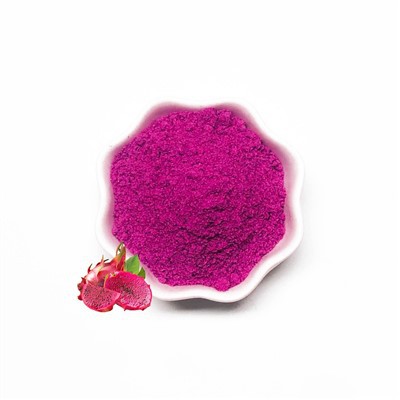
Dehydrated fruit powders represent a significant innovation in food technology, offering a scientifically-backed, shelf-stable, and highly versatile way to access concentrated plant nutrients. When produced using advanced drying techniques like freeze-drying or optimized combined methods, these powders can retain a substantial proportion of a fruit's original vitamins, antioxidants, and bioactive compounds. Crucially, the grinding process can enhance the bioavailability of some nutrients, making them a potent, convenient supplement. However, they are best viewed as a complementary nutritional tool rather than a wholesale replacement for the complex matrix and dietary fiber of whole fresh fruits.
In our fast-paced world, the challenge of consuming adequate daily fruits is real. Enter dehydrated fruit powders – vibrant, shelf-stable concentrates promising the essence and benefits of nature's bounty in a spoonful. More than just a trend, these powders sit at the intersection of ancient food preservation and cutting-edge food science. But can powder truly capture the nutritional glory of fresh fruit? This article delves into the technology behind these powders, examines the scientific evidence for their nutrient retention and health effects, and provides a clear framework for making them a smart part of a modern diet.

Beyond Drying: The Precision Science of Powder Production
The journey from juicy fruit to fine powder is not a simple one; the chosen technology dictates the final product's nutritional profile, color, and flavor. Traditional sun-drying or hot-air drying often lead to significant losses of heat-sensitive nutrients. Modern methods are engineered to minimize this damage.
- Freeze-Drying (Lyophilization): Widely regarded as the gold standard, this process involves freezing the fruit solid and then reducing the surrounding pressure to allow the frozen water to sublimate directly into vapor. This low-temperature, oxygen-poor environment is exceptionally gentle. A 2022 article in the Journal of Food Quality on functional dehydrated foods confirms that such techniques are specifically designed for the preservation of bioactive compounds. Experts note that freeze-drying can retain over 20% more vitamins compared to conventional hot-air methods.
- Combined Drying Technologies: To optimize both quality and production efficiency, innovative combined methods have emerged. Research on "combined drying processes" demonstrates that pairing an initial freeze-drying phase with a follow-up stage like vacuum-microwave drying can yield outstanding results. This hybrid approach leverages freeze-drying's superior nutrient preservation for the majority of moisture removal, then uses a faster method to eliminate residual water. Studies on apple, carrot, and strawberry showed this method reduced energy consumption by over 40% compared to freeze-drying alone, while achieving equivalent or better Vitamin C retention, color, and texture. This is aligned with advanced industry developments, such as multi-physical field combination drying technology reported to shorten drying time by 50% while maintaining a nutrient retention rate of up to 85%.
- Spray Drying & Optimized Industrial Methods: For fruit purees or juices, spray drying is common. Research continues to refine these processes; a 2024 study on acerola (a vitamin C-rich fruit) pulp dehydration using a Rotary Dryer with Inert Bed (RDIB) successfully optimized parameters to maximize drying yield and bioactive compound levels. The final step for all dried fruit is micronization-grinding into a very fine powder, sometimes to a particle size smaller than 25 microns to improve solubility and bioavailability.
Table 1: Comparison of Common Drying Technologies for Fruit Powder Production
| Technology | Core Process | Key Advantages | Primary Limitations | Impact on Nutrients |
|---|---|---|---|---|
| Freeze-Drying | Sublimation of ice under vacuum and low temperature. | Excellent retention of heat-sensitive vitamins, color, and shape; porous structure aids rehydration. | High energy cost and longer processing time; expensive equipment. | Best retention of Vitamin C, antioxidants, and phytochemicals due to minimal thermal and oxidative stress. |
| Combined Drying (e.g., Freeze + Microwave-Vacuum) | Sequential use of different technologies optimized for different drying stages. | Balances high quality with efficiency; can reduce energy use by >40% vs. freeze-drying alone. | Process complexity requires precise control and optimization. | Can achieve nutrient retention rates comparable to freeze-drying (up to 85% or more) while being more scalable. |
| Spray Drying | Atomizing liquid feed into a hot drying gas. | Very fast, continuous, and efficient for liquids; produces a uniform fine powder. | High inlet temperatures can degrade some thermolabile compounds. | Variable retention; carrier agents (like maltodextrin) often needed, which dilute pure fruit content. |
| Hot-Air Drying | Convection drying using circulated hot air. | Low-cost, simple, and scalable technology. | Prolonged heat exposure leads to significant nutrient loss and browning. | Poorest retention of Vitamin C and antioxidants; fiber structure may be damaged. |
Nutritional Profile: Concentration, Compromise, and Bioavailability
Dehydrating fruit removes water, concentrating its nutrients by weight. A teaspoon of high-quality fruit powder can indeed contain the phytochemical equivalent of a much larger quantity of fresh fruit. However, this concentration is not uniform across all nutrients.
- What is Well-Preserved and Enhanced: Minerals, carbohydrates, and many antioxidant polyphenols are stable during proper low-temperature drying. Furthermore, the grinding process breaks down plant cell walls, a form of "pre-digestion." This can significantly increase the bioavailability of bound nutrients, meaning your body can absorb them more easily. One technical report on ultra-micro fruit and vegetable powder notes this process can improve the digestion, absorption, and bioavailability of nutrients by 20-30%.
- What is Often Compromised: The most vulnerable components are water-soluble and heat-sensitive vitamins. Vitamin C (ascorbic acid) and some B vitamins can oxidize and degrade when cell walls are broken and they are exposed to air and heat during processing. One source estimates Vitamin B1 loss during grinding and processing can reach 30-50%. Dietary fiber remains present but its physical structure is altered; the beneficial "matrix effect" of the whole fruit-where fiber slows sugar absorption-is diminished.
- Scientific Evidence for Health Benefits: Clinical studies on fruit and vegetable powder supplements show measurable effects. Research indicates that their nutrients are bioavailable, leading to increased blood plasma levels of carotenoids, vitamin C, and vitamin E in participants. Some studies also report positive influences on health biomarkers, such as reductions in inflammatory markers (like C-reactive protein) and oxidized LDL cholesterol. A 2018 review in the Journal of Food Quality supports that the bioactive compounds in such dehydrated products play a role in improving health status and minimizing disease risks.
Table 2: Nutrient Status and Health Implications of Dehydrated Fruit Powder
| Nutrient / Component | Status in High-Quality Powder | Key Health Implication |
|---|---|---|
| Antioxidants & Polyphenols (e.g., Flavonoids) | Highly Concentrated & Largely Preserved with gentle drying. These compounds are the primary drivers of the anti-inflammatory and cellular protection benefits associated with fruit powders. | Supports reduction of oxidative stress; may contribute to improved cardiovascular and metabolic health markers. |
| Dietary Fiber | Present but Physically Altered. Grinding breaks down the fiber's structure, reducing its effect on slowing gastric emptying and sugar absorption. | Provides bulk but may not offer the same glycemic regulation or potent prebiotic effect as intact fiber from whole fruit. |
| Vitamins (C, B Complex) | Variable, Often Reduced. Significant losses, especially with high-heat methods. Freeze-drying offers the best retention. | While still a source, powder should not be relied upon as a sole source of these vitamins. The "Vitamin C bomb" claim requires scrutiny of the processing method. |
| Sugars (Natural Fructose/Glucose) | Highly Concentrated. The removal of water and fiber means sugars are dense and rapidly accessible. | Increases the Glycemic Index (GI) compared to the whole fruit. This is a critical consideration for individuals monitoring blood sugar. |
| Bioactive Compounds (e.g., in specific fruits) | Concentrated & Bioavailable. Compounds like anthocyanins (in berries) or limonoids (in citrus) are preserved and their absorption may be enhanced by powdering. | Offers targeted nutritional benefits; e.g., dragon fruit powder providing antioxidants and fiber. |

Smart Integration into a Modern Diet
Dehydrated fruit powder excels as a versatile nutritional booster, not a replacement. Here's how to use it effectively:
- As a Flavorful Nutrient Boost: Blend into smoothies, stir into oatmeal, yogurt, or homemade energy bars. A small amount can enrich pancakes, salad dressings, or savory sauces with natural flavor and color.
- For Targeted Supplementation: Choose single-origin powders (e.g., acerola for vitamin C, dragon fruit for antioxidants) to address specific dietary goals.
- Ensuring Quality & Safety: Transparency is key. Choose products with a single ingredient (e.g., "Strawberry") or a transparent blend. Prioritize brands that specify their drying method (e.g., "freeze-dried"). Be wary of products with added sugars, fillers like maltodextrin, or artificial colors. Reputable third-party testing for contaminants is a major advantage.
Important Cautions: Due to the altered fiber structure and high sugar concentration, individuals with diabetes or insulin resistance should use fruit powders sparingly and with caution, as they can cause a rapid spike in blood glucose. They are also not suitable as a meal replacement, as they lack the satiating bulk of whole food.