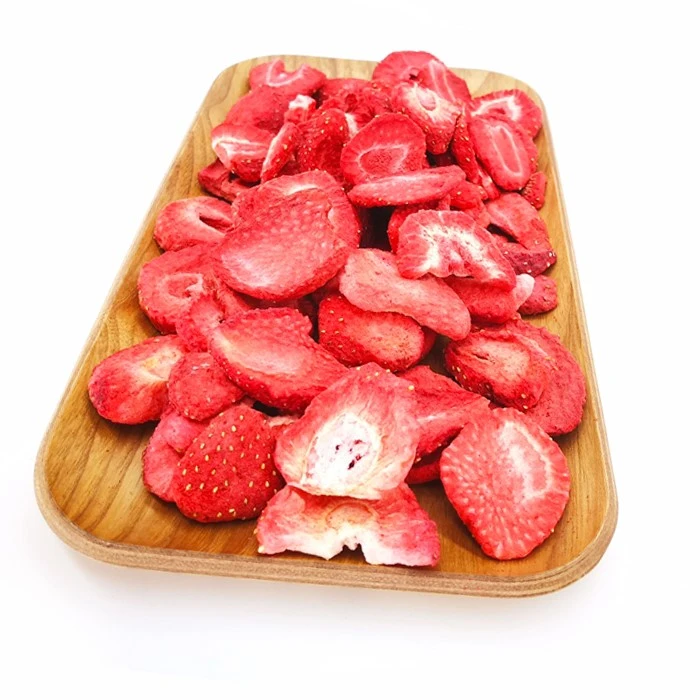
Freeze-drying, also known as lyophilization, is a unique food preservation method that offers numerous advantages, including extended shelf life, retention of flavor and nutrients, and preservation of food quality. Despite these benefits, freeze-drying is not as widely used in the food industry as other preservation methods like canning, freezing, or dehydration. Several factors contribute to the limited adoption of freeze-drying in the food industry:
1. Cost:
One of the primary reasons freeze-drying is not widely used in the food industry is its high cost. The equipment required for freeze-drying is expensive to purchase, operate, and maintain. The process also consumes significant amounts of energy, further adding to the operational expenses. These high costs make freeze-drying less economically viable for many food producers, especially those working with low-margin products or in regions with high energy costs.

2. Time-Consuming Process:
Freeze-drying is a time-consuming process compared to other food preservation methods. It involves several stages, including freezing, primary drying, and secondary drying, each of which can take hours or even days to complete. This lengthy process increases production time and can lead to bottlenecks in manufacturing operations, making it less desirable for food producers who require quick turnaround times.
3. Complexity:
The freeze-drying process is complex and requires specialized equipment and expertise to execute properly. Controlling temperature, pressure, and humidity levels within the lyophilization chamber is critical to achieving optimal results. Any deviation from the specified parameters can lead to product spoilage or degradation. The complexity of the process makes it less accessible to smaller food producers or those lacking the necessary technical knowledge and resources.
4. Limited Application:
While freeze-drying is effective for preserving certain types of food, it may not be suitable for all products. Some foods, particularly those with high moisture content or delicate textures, may not freeze-dry well or may require additional processing steps to achieve satisfactory results. This limited applicability restricts the range of foods that can be successfully freeze-dried and reduces its overall utility in the food industry.

5. Packaging Challenges:
Once freeze-dried, food products are extremely fragile and prone to damage from moisture, oxygen, and physical impact. Specialized packaging materials and techniques are required to protect freeze-dried products during storage and transportation. Packaging costs can add to the overall expense of freeze-dried foods and further reduce their competitiveness in the market.
6. Consumer Perception:
Despite its benefits, freeze-dried food may not always align with consumer preferences or perceptions. Some consumers perceive freeze-dried products as overly processed or less "natural" compared to fresh or minimally processed alternatives. Additionally, the crunchy texture of freeze-dried foods may not appeal to everyone's taste preferences. These factors can limit consumer acceptance and demand for freeze-dried products, further discouraging food producers from investing in this preservation method.
7. Competition from Other Preservation Methods:
The food industry already relies on a variety of preservation methods, such as canning, freezing, and dehydration, which are more established and widely used. These methods may offer similar benefits to freeze-drying in terms of shelf life and product quality while being more cost-effective and easier to implement. As a result, food producers may opt for these alternative preservation methods rather than investing in freeze-drying technology.
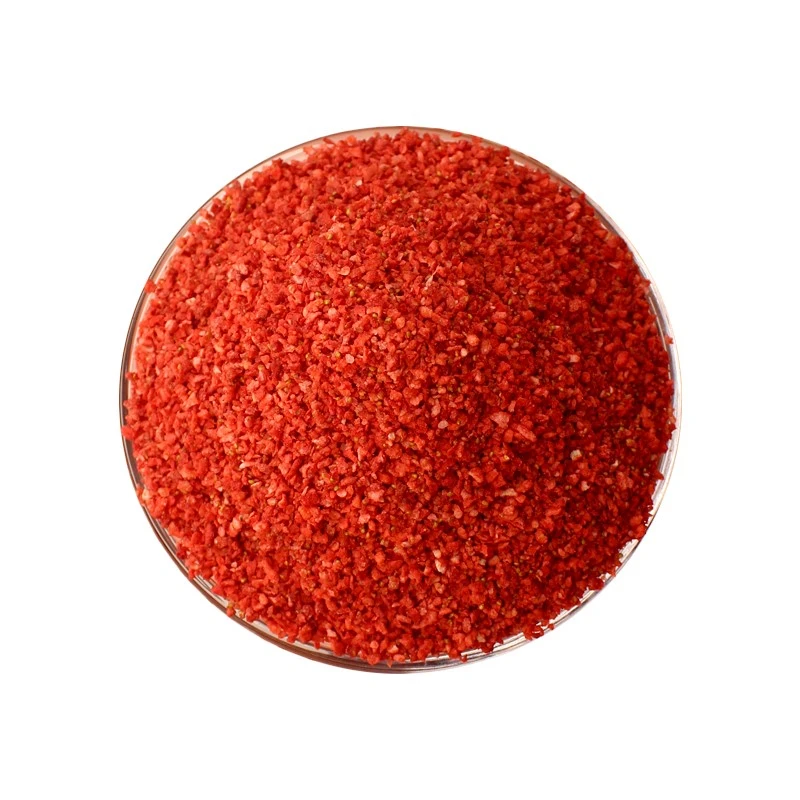
While freeze-drying offers numerous advantages for food preservation, including extended shelf life, retention of flavor and nutrients, and preservation of food quality, several factors limit its widespread adoption in the food industry. High costs, time-consuming process, complexity, limited application, packaging challenges, consumer perception, and competition from other preservation methods all contribute to the relatively low usage of freeze-drying in food production. Despite these challenges, ongoing technological advancements and increasing consumer demand for convenient and nutritious foods may drive further innovation and adoption of freeze-drying in the future.