


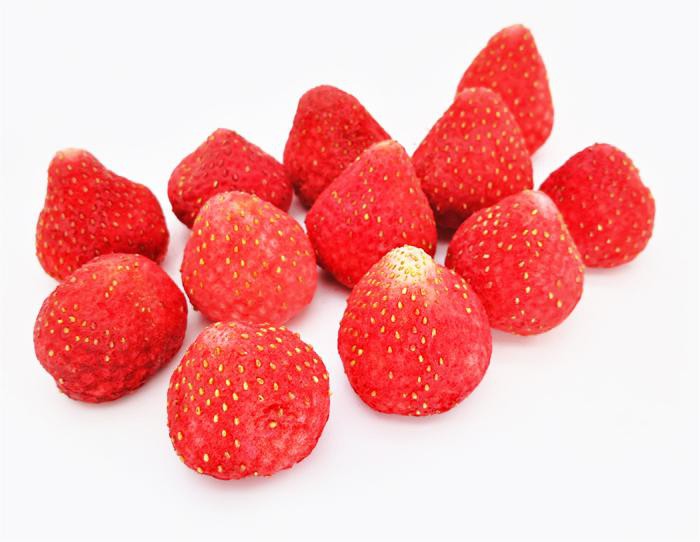
If your freeze-dried strawberries are turning out soggy, it can be frustrating, as one of the main benefits of freeze-drying is to maintain the fruit's crisp texture. Several factors can contribute to this issue, and in this comprehensive guide, we'll explore why your freeze-dried strawberries might be soggy and provide tips on how to prevent and remedy the problem.
1. Inadequate Initial Freezing:
The freeze-drying process begins with freezing the strawberries. If the initial freezing is not done correctly, it can lead to soggy results. Here are some reasons this might happen:
Solution: Ensure that your strawberries are frozen at the appropriate temperature and for the right amount of time. For home freeze-drying, a standard freezer typically doesn't reach the low temperatures required for commercial-grade freeze-drying. As such, it's important to pre-freeze the strawberries to as low a temperature as possible, ideally around -40°F (-40°C), before placing them in the freeze-dryer.
2. Poor Pre-Treatment:
Before freeze-drying, strawberries need to be pre-treated to prevent enzymatic browning and enhance the overall quality of the final product. If this step is skipped or not done correctly, the strawberries may turn out soggy.
Solution: Follow proper pre-treatment procedures, which can include blanching, ascorbic acid or lemon juice dips, or sugar coatings, depending on your preferences and the end result you desire. Pre-treatment will help preserve the strawberries' texture and flavor.

3. Insufficient Vacuum or Seal:
The freeze-drying process relies on creating a vacuum and lowering the pressure inside the freeze-dryer chamber. If the vacuum or seal is inadequate, it can result in incomplete drying and soggy strawberries.
Solution: Check the vacuum pump and seals to ensure they are functioning properly. Replace any damaged or worn-out components and perform routine maintenance as recommended by the manufacturer.
4. Incorrect Freeze-Drying Parameters:
Freeze-drying involves several critical parameters, including temperature and pressure, that must be carefully controlled throughout the process. If these parameters are not set correctly, it can lead to undesired moisture retention.
Solution: Refer to the user manual of your freeze-dryer or seek advice from the manufacturer to ensure that you are using the correct freeze-drying parameters. Adjustments to temperature, pressure, and drying time may be necessary to achieve the desired results.
5. Inadequate Drying Time:
If the freeze-drying process is not allowed to continue for a sufficient amount of time, the strawberries may appear dry on the outside but still retain moisture inside, leading to a soggy texture.
Solution: Extend the drying time as needed to ensure that the strawberries are thoroughly dried. Monitor the process and check for complete dryness before removing the strawberries from the freeze-dryer.
6. Uneven Distribution of Strawberries:
The way you arrange the strawberries in the freeze-dryer can impact the drying process. If they are crowded or unevenly distributed, some strawberries may dry more slowly than others, resulting in varying textures, including soggy ones.
Solution: Ensure that the strawberries are spread out evenly in the freeze-dryer trays to allow for consistent drying. Avoid overcrowding to facilitate proper air circulation.
7. Moisture Contamination:
Even after successful freeze-drying, if the strawberries are exposed to moisture or humid conditions, they can absorb moisture from the environment, leading to a soggy texture.
Solution: Store freeze-dried strawberries in airtight containers with moisture-absorbing packets to prevent moisture absorption. Keep them in a cool, dry place away from humidity.
8. Poor Storage Conditions:
Improper storage conditions can lead to moisture absorption by freeze-dried strawberries, causing them to become soggy. Exposure to air, light, and high temperatures can all contribute to this problem.
Solution: Store freeze-dried strawberries in a cool, dark, and dry place. Use airtight containers to prevent exposure to air and moisture. Keep them away from heat sources and direct sunlight.
9. Low-Quality Strawberries:
The quality of the strawberries you start with can impact the outcome of the freeze-drying process. Overripe or damaged strawberries may have higher moisture content, making it more challenging to achieve a crisp texture.
Solution: Start with high-quality, fresh strawberries. Avoid using overripe or damaged fruit, as they are more likely to retain moisture and become soggy during the freeze-drying process.

10. Altitude and Environmental Factors:
Environmental factors, such as altitude, humidity, and air pressure, can affect the freeze-drying process. Higher altitudes, for example, may require adjustments to the process parameters.
Solution: Take into consideration the specific environmental factors of your location and make any necessary adjustments to the freeze-drying process to account for these conditions.
11. Equipment Issues:
If your freeze-dryer is old or malfunctioning, it may not be able to maintain the necessary conditions for effective freeze-drying, which can result in soggy strawberries.
Solution: Regularly maintain and service your freeze-drying equipment to ensure it is in optimal working condition. If the equipment is outdated and consistently produces poor results, consider investing in a newer model.
12. Temperature Fluctuations:
Fluctuations in temperature during the freeze-drying process can affect the end result. If the temperature rises too much during the process, it can lead to inadequate moisture removal and, consequently, soggy strawberries.
Solution: Monitor and control the temperature throughout the freeze-drying process. Ensure that it remains within the specified range for effective moisture removal.

In conclusion, there are several factors that can contribute to freeze-dried strawberries turning out soggy. Proper pre-treatment, careful attention to freeze-drying parameters, and meticulous storage conditions are key to achieving the desired crisp texture. It's essential to follow best practices, maintain your equipment, and take environmental factors into account to consistently produce high-quality freeze-dried strawberries. By addressing these issues, you can enjoy the benefits of freeze-drying and preserve the flavor and texture of strawberries for an extended period.
