


Veggie chips, often marketed as a healthier alternative to traditional potato chips, are made from a variety of vegetables that undergo a process of slicing, seasoning, and dehydration or frying. While the term "veggie chips" suggests a wholesome and vegetable-centric snack, the composition of these chips can vary widely based on the brand and specific vegetables used. Here, we explore the common ingredients and processes involved in making veggie chips.
1. Vegetable Selection:
Root Vegetables: Sweet potatoes, beets, carrots, and parsnips are popular choices for veggie chips. These root vegetables provide natural sweetness and vibrant colors.
Leafy Greens: Kale and spinach can be transformed into crispy and nutrient-rich chips.
Other Vegetables: Zucchini, squash, and even exotic vegetables like taro or plantains are used to create a diverse range of veggie chip options.
2. Slicing:
After selecting the vegetables, the next step is to slice them thinly and uniformly. Thin slices ensure even cooking and the desired crispy texture. Some manufacturers use specialized equipment to achieve consistent thickness.
3. Seasoning:
Veggie chips are seasoned to enhance flavor. Common seasonings include salt, pepper, garlic powder, onion powder, paprika, and various herbs and spices. Seasonings contribute to the overall taste profile and can vary to create different flavor combinations.
4. Cooking Methods:
Baking: Many veggie chips are baked rather than fried. Baking is considered a healthier option as it uses less oil. The sliced vegetables are spread on baking sheets, sprayed or brushed with oil, and baked until crispy.
Frying: Some veggie chips are deep-fried to achieve a crispy texture. Frying involves submerging the sliced vegetables in hot oil until they turn golden brown. While frying adds a rich flavor and texture, it also increases the calorie and fat content.
5. Dehydration:
Dehydrating vegetables involves removing moisture to create a crunchy texture. Dehydrated veggie chips are typically made using low-temperature drying methods, preserving more of the original nutrients. This method is commonly used for kale chips.
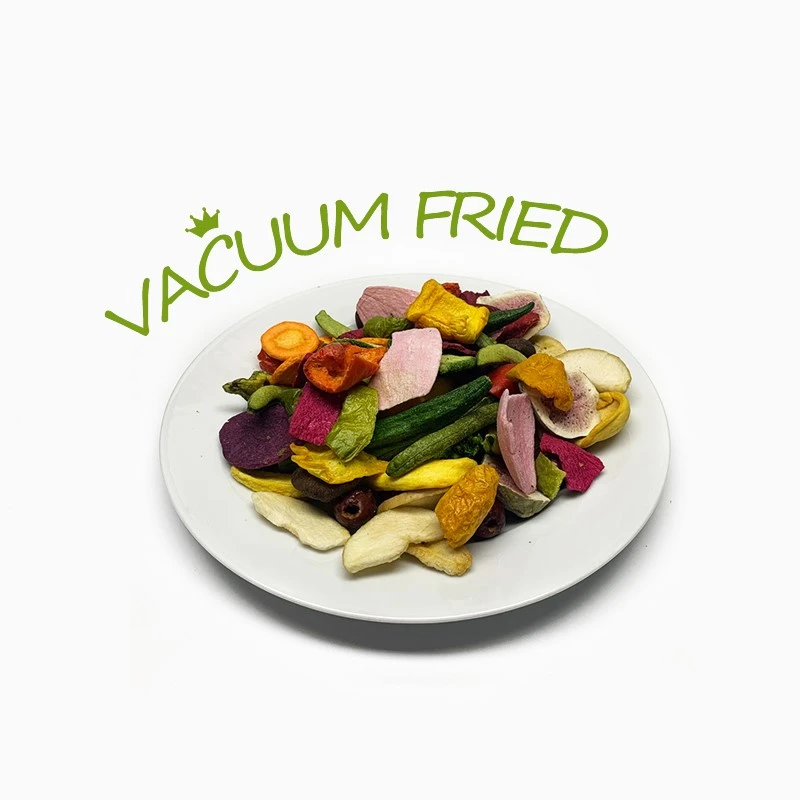
6. Ingredients and Additives:
Oil: Many veggie chips are cooked with oil to achieve the desired crispiness. Healthier oil options may include olive oil or avocado oil. The type and amount of oil used can impact the overall nutritional profile.
Salt: Salt is a common seasoning that enhances flavor. Some veggie chips may use sea salt or other specialty salts.
Flavorings: Some veggie chips incorporate additional flavorings such as nutritional yeast, vinegar, or natural sweeteners for a unique taste.
7. Nutritional Considerations:
Veggie chips are often marketed as a healthier snack option due to their vegetable content and lower fat compared to traditional potato chips. However, it's important to consider factors such as added seasonings, oil content, and cooking methods.
While veggie chips can be a good source of certain vitamins and minerals found in vegetables, the nutrient content may vary based on the vegetable used and the processing method.
8. Commercial Varieties:
Various commercial brands offer pre-packaged veggie chips in supermarkets. These products often list their ingredients and nutritional information on the packaging, allowing consumers to make informed choices based on dietary preferences and health considerations.
Conclusion: Enjoying Veggie Chips in Moderation
Veggie chips can be a flavorful and satisfying snack, offering a crunchy texture along with the nutritional benefits of vegetables. Whether store-bought or homemade, it's essential to enjoy veggie chips in moderation. Pay attention to the ingredient list, cooking methods, and nutritional information to make informed choices aligned with your dietary goals. As with any snack, incorporating a variety of whole vegetables into your diet is crucial for overall health and well-being.

