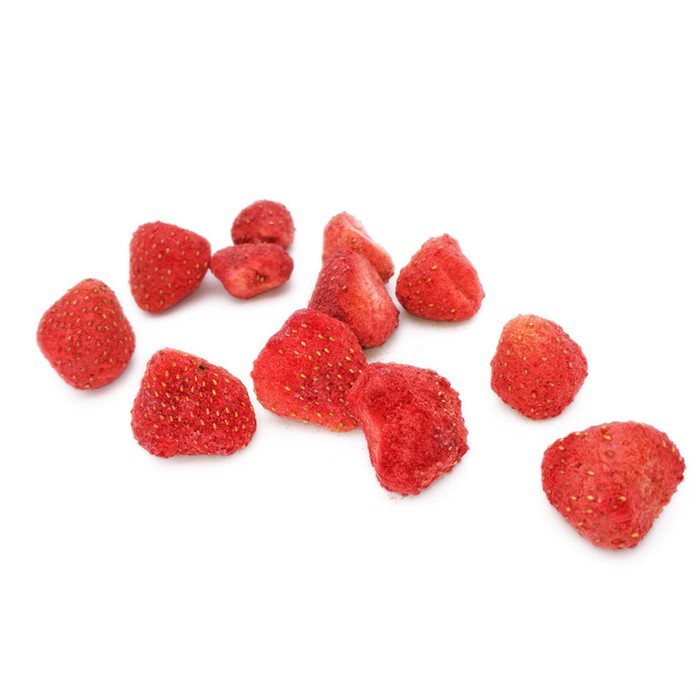
Deciding whether to dehydrate or freeze-dry fruit hinges on various factors, including the intended use, nutritional preservation, texture preferences, storage conditions, and cost considerations. Both methods have their unique advantages and disadvantages. Understanding these can help you make an informed choice based on your needs and preferences.
Dehydration
Dehydration involves removing moisture from fruit using heat and air flow. This method has been used for centuries as a way to preserve food.
Advantages:
Cost-Effective: Dehydrators are generally more affordable than freeze-drying machines, making this method more accessible for home use.
Energy Efficiency: Dehydrating fruit consumes less energy compared to freeze-drying, which requires a vacuum pump and significantly more electricity to operate.
Convenience: Dehydrated fruits are easy to store and transport, requiring no special conditions apart from airtight containers to prevent moisture reabsorption.
Disadvantages:
Nutrient Loss: The heat used in dehydration can lead to a higher loss of heat-sensitive nutrients, such as vitamin C and certain B vitamins.
Texture and Flavor Changes: Dehydration can alter the texture, making fruits tougher and shrinking them significantly. The flavor can also become more concentrated, which might not always be desired.

Freeze-Drying
Freeze-drying, also known as lyophilization, involves freezing the fruit and then reducing the surrounding pressure to allow the frozen water in the fruit to sublimate directly from ice to vapor.
Advantages:
Nutrient Preservation: Freeze-drying preserves most of the vitamins and minerals in fruit because it involves low temperatures that do not degrade heat-sensitive nutrients.
Texture and Rehydration: Freeze-dried fruits retain a porous structure that allows them to rehydrate more quickly and completely than dehydrated ones, closely mimicking the texture of fresh fruit when rehydrated.
Long Shelf Life: When properly stored in airtight containers, freeze-dried fruits can last longer than dehydrated fruits due to the more complete removal of moisture.
Disadvantages:
Cost: The equipment for freeze-drying is more expensive, and the process uses more energy, making it less cost-effective for home use.
Space and Time: Freeze-drying takes longer than dehydration and requires a machine that can take up a significant amount of space.

Making a Choice
When deciding between dehydrating and freeze-drying fruit, consider the following factors:
Intended Use: If you're looking for snacks that are easy to carry and consume on the go, dehydrated fruits might be preferable. If you're looking to preserve the fruit's nutritional value and texture for recipes or rehydration, freeze-drying could be the better option.
Nutritional Content: For the highest retention of nutrients, freeze-drying is superior. This might be especially important for athletes, hikers, or anyone relying on preserved fruits for a significant portion of their dietary intake.
Budget: If cost is a major consideration, dehydration is more accessible. The initial investment and ongoing energy costs are lower compared to freeze-drying.
Storage Space: Dehydrated fruits can sometimes take up less space due to shrinkage, but freeze-dried fruits maintain more of their original shape and volume, which could be a consideration based on your storage capabilities.
Ultimately, whether it's better to dehydrate or freeze-dry fruit depends on your specific needs and preferences. Both methods offer a way to preserve fruits, extending their shelf life and allowing you to enjoy them out of season. Dehydration might appeal more to those looking for an economical and energy-efficient option, while freeze-drying could be the choice for those prioritizing nutrient retention and texture.