


In the eternal quest for satisfying our sweet tooth, the choices seem endless. Amidst the plethora of options, dried strawberries and candy emerge as contrasting contenders. While candy has long been a go-to indulgence, dried strawberries have gained popularity for their perceived health benefits. In this exploration, we delve into the nutritional profiles of both, aiming to decipher which might be the superior choice in the battle of the sweets.
Dried Strawberries: Nature's Candy?
Dried strawberries are a concentrated form of their fresh counterparts, undergoing a dehydration process that removes the water content while retaining much of the flavor and nutrients. The process involves removing approximately 80-90% of the water, resulting in a chewy, naturally sweet snack. Proponents of dried strawberries often argue that they offer a healthier alternative to traditional candy, emphasizing their natural origin and nutrient content.
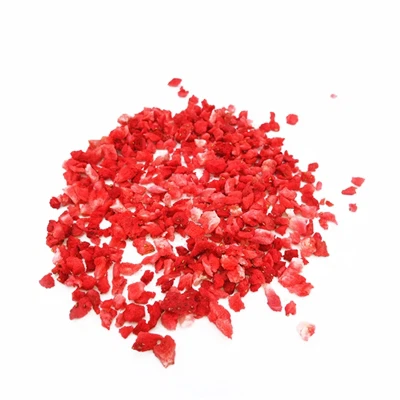
Nutritional Profile of Dried Strawberries:
Dried strawberries boast a range of nutrients that contribute to their appeal as a healthier sweet option. These include:
Vitamins and Minerals: Dried strawberries are rich in essential vitamins, particularly vitamin C, which is crucial for immune function and skin health. Additionally, they contain minerals such as potassium, manganese, and magnesium, all playing vital roles in various bodily functions.
Fiber Content: A notable advantage of dried strawberries is their fiber content. Fiber is essential for digestive health, promoting regular bowel movements and aiding in the prevention of constipation.
Antioxidants: Like fresh strawberries, their dried counterparts are packed with antioxidants. These compounds help combat oxidative stress in the body, potentially reducing the risk of chronic diseases.
Low in Calories: Compared to many candies, dried strawberries are relatively low in calories, making them a favorable option for those mindful of their calorie intake.
Candy: The Classic Indulgence
Candy, in its myriad forms, has been a staple in the world of treats for generations. From hard candies to gummies and chocolates, the options are diverse, each offering a unique taste and texture. However, the appeal of candy is not solely based on its flavor; it often serves as a quick source of energy and instant gratification.

Nutritional Profile of Candy:
Candy, though beloved for its taste, is often criticized for its lack of nutritional value. Key aspects of the nutritional profile of candy include:
High Sugar Content: One of the primary concerns with many types of candy is their high sugar content. Excessive sugar intake has been linked to various health issues, including obesity, diabetes, and dental problems.
Low Nutrient Density: Unlike dried strawberries, candy typically lacks essential vitamins and minerals. Consuming candy contributes to empty calories, providing energy without the accompanying nutritional benefits.
Artificial Additives: Many candies contain artificial colors, flavors, and preservatives. While these additives enhance the visual appeal and shelf life of the products, they may have potential health implications.
Caloric Density: Candy is often calorie-dense, meaning it packs a significant amount of calories in a small serving. This can contribute to overconsumption and potential weight gain if not consumed in moderation.

The Sweet Showdown:
The decision between dried strawberries and candy ultimately depends on individual preferences, dietary goals, and health considerations.
Health-Conscious Choices: For those prioritizing health and nutrition, dried strawberries emerge as the better option. They provide a range of vitamins, minerals, and antioxidants without the excessive sugar and empty calories associated with many candies.
Moderation is Key: While candy may lack the nutritional benefits of dried strawberries, enjoying it in moderation can be part of a balanced diet. It's essential to be mindful of portion sizes and not make candy a daily indulgence.
Athletic Performance: Athletes or individuals seeking a quick energy boost may find candy more suitable due to its high sugar content, providing a rapid source of glucose. However, the long-term health implications should be considered.
In the battle between dried strawberries and candy, there is no one-size-fits-all answer. Each option has its merits and drawbacks, and the optimal choice depends on individual preferences, dietary goals, and health considerations. Whether you lean towards the natural sweetness of dried strawberries or savor the classic indulgence of candy, the key is moderation and mindful consumption for a balanced approach to satisfying your sweet cravings.

