


Fruit powder has become increasingly popular due to its wide range of uses in food and beverage applications, cosmetics, and even health supplements. It serves as a concentrated source of fruit flavor and nutrients in a shelf-stable form. In this article, we will explore how fruit powder is made, the different methods used, and how to ensure the finished product meets quality standards.
1. What Is Fruit Powder?
Fruit powder is a fine, dry substance made by dehydrating fresh fruits and grinding them into a powder. It captures the flavor, aroma, and nutritional benefits of fresh fruit, providing a convenient way to incorporate fruit into various products without the moisture content.

2. Processes Used to Make Fruit Powder
The production of fruit powder involves several key steps:
Step 1: Selection of Raw Materials
The process starts with selecting high-quality fresh fruits. The fruits must be ripe, free from blemishes, and at peak flavor to ensure the best quality powder. Common fruits used for making powder include strawberries, bananas, apples, mangoes, and blueberries.
Step 2: Cleaning and Preparation
The selected fruits are thoroughly washed to remove dirt, pesticides, and any residues. After cleaning, they are peeled, cored, and sliced into smaller pieces to ensure uniform drying.
Step 3: Dehydration (Drying Methods)
Dehydration is a crucial step in making fruit powder, as it removes the moisture from the fruit to prevent spoilage and extend its shelf life. There are several drying methods used:
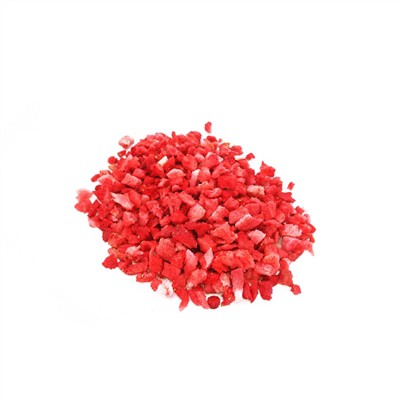
- Freeze-Drying: This is the most popular method for making fruit powder. The fruit slices are frozen at extremely low temperatures and then placed in a vacuum chamber. The frozen water in the fruit sublimates directly from ice to vapor, leaving behind dry, crispy pieces. Freeze-dried fruit retains most of its nutrients, color, and flavor.
- Spray Drying: This method is often used for fruit juices. The liquid fruit puree or juice is sprayed into a chamber with hot air, causing the water to evaporate instantly. The dried particles are collected as a fine powder. This method is fast but may result in some nutrient loss due to heat exposure.
- Air Drying or Oven Drying: The fruit slices are dried using heated air or in an oven at low temperatures. This method is cost-effective but may affect the color, flavor, and nutrient content of the fruit due to prolonged heat exposure.
- Drum Drying: This involves spreading a thin layer of fruit puree on a heated drum. As the drum rotates, the puree dries and forms a thin, crispy layer that is later ground into powder. Drum drying is efficient but can result in a loss of some nutrients.
Step 4: Grinding
Once the fruits are dried, they are ground into a fine powder using a pulverizer or grinding machine. The grinding process must be precise to achieve the desired fineness without generating too much heat, which can degrade the quality of the powder.
Step 5: Sieving
After grinding, the powder is sieved to remove any large particles or clumps. This step ensures uniform texture and particle size, making the powder easier to mix into other products.
Step 6: Packaging
The fruit powder is then packaged in airtight containers or vacuum-sealed bags to protect it from moisture, light, and air, which can degrade its quality over time. It is important to use food-grade packaging that prevents contamination and preserves the powder's freshness.

3. Quality Testing of Fruit Powder
To ensure the fruit powder meets industry standards, several tests are performed during and after production:
a) Moisture Content Test
The moisture content of fruit powder is critical for its shelf life and quality. High moisture levels can lead to clumping, spoilage, and reduced shelf life. The moisture content is usually tested using a moisture analyzer, and the target is typically below 5%.
b) Microbial Testing
Fruit powder must be free from harmful microorganisms such as bacteria, yeast, and mold. Microbial testing ensures that the product is safe for consumption. This testing is especially important if the powder is used in food products.
c) Nutritional Analysis
A nutritional analysis is performed to verify the content of essential vitamins, minerals, and other nutrients. This analysis helps determine the nutritional value of the powder and ensures it aligns with the desired specifications.
d) Sensory Evaluation
Sensory evaluation involves testing the appearance, aroma, flavor, and texture of the fruit powder. This evaluation is important to ensure that the powder retains the characteristic flavor and aroma of the fresh fruit.
e) Particle Size Analysis
The consistency of the particle size affects the texture and dissolvability of the fruit powder. Particle size analysis ensures that the powder has a uniform texture suitable for its intended application.

4. Applications of Fruit Powder
Fruit powder has versatile uses across various industries:
- Food and Beverages: It can be added to smoothies, yogurts, desserts, baking mixes, and beverages to enhance flavor and nutrition.
- Health Supplements: Fruit powder is used in dietary supplements for its concentrated nutrients.
- Cosmetics: It is incorporated into skincare products for its natural fragrance and beneficial properties.
- Confectionery: Used as a natural coloring and flavoring agent in candies and chocolates.
5. Advantages of Making Fruit Powder
- Extended Shelf Life: By removing moisture, fruit powder lasts longer without refrigeration.
- Nutrient Retention: Freeze-drying, in particular, preserves most of the nutrients, making it a healthy option.
- Convenience: It offers a concentrated source of fruit flavor in a versatile, easy-to-use form.
- Space Saving: Powdered form takes up less space than whole fruits and is easier to store and transport.
