


Freeze-drying is a remarkable process that removes moisture from food through sublimation, turning water directly from ice to vapor under low pressure. This method preserves the taste, color, and nutritional value of the fruit while extending its shelf life significantly. Freeze-dried fruits have become popular not only among astronauts and campers but also as a healthy snack option for everyday consumers. Understanding the shelf life of freeze-dried fruit, especially after opening, is essential for maintaining its quality and ensuring its safe consumption.
Shelf Life of Freeze-Dried Fruit
Unopened freeze-dried fruits can last anywhere from 25 to 30 years when stored in a cool, dark place. This impressive shelf life is due to the removal of moisture, which significantly reduces the risk of microbial growth and the degradation of nutrients and flavor. However, once the package is opened, the shelf life decreases substantially due to exposure to air, moisture, and potential contaminants.
After Opening: Factors Influencing Shelf Life
Moisture: The biggest enemy of freeze-dried fruits once the package is opened is moisture. Reabsorption of moisture can lead to spoilage and the growth of mold and bacteria. Even slight humidity can start this process, significantly reducing the product's shelf life.
Oxygen: Exposure to air can lead to oxidation, which affects the flavor, color, and nutritional value of the fruits. This is why many freeze-dried products are packed with oxygen absorbers or in vacuum-sealed packages.
Temperature: Higher temperatures can accelerate the degradation process, affecting the texture, flavor, and nutritional content of the fruits.
Light: Exposure to light, especially sunlight, can degrade certain vitamins and affect the color of the fruits.
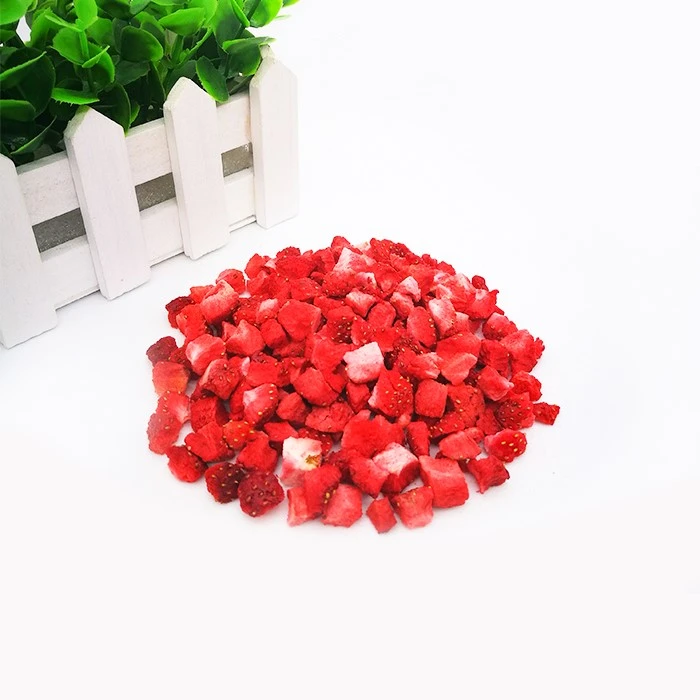
Extending Shelf Life After Opening
To maximize the shelf life of freeze-dried fruit after opening, consider the following tips:
Storage: Transfer the fruits to an airtight container or a resealable plastic bag with as much air removed as possible. Some people also use vacuum sealers for this purpose.
Moisture Control: Keep the fruits in a cool, dry place. Using desiccants, like silica gel packets, can help control moisture in the storage container.
Oxygen Absorbers: If you plan to store the opened freeze-dried fruits for an extended period, consider using oxygen absorbers in the storage container to prevent oxidation.
Refrigeration: While not necessary, storing opened freeze-dried fruits in the refrigerator can further extend their shelf life by slowing down any potential degradation processes.
Avoid Light Exposure: Store the container in a dark place or use opaque containers to protect against light degradation.
Expected Shelf Life After Opening
With proper storage, opened freeze-dried fruits can last for months without significant loss of quality. Generally, you can expect them to retain their best qualities for 6 to 12 months after opening if stored correctly. However, this timeframe can vary based on the factors mentioned above and the type of fruit. Some fruits with higher fat content, like avocados, may have a shorter post-opening shelf life due to the quicker oxidation of fats.

Signs of Spoilage
Even with careful storage, it's crucial to be aware of the signs of spoilage:
Moisture: Any signs of moisture or clumping in the container can indicate that the fruits have absorbed moisture, increasing the risk of mold and bacteria.
Mold: Visible mold growth is a clear sign that the fruit should not be consumed.
Odor: Any off-smells or unusual aromas are indicators of spoilage.
Taste and Texture: If the fruit tastes off or has an unexpected texture, it's best to discard it.
Freeze-dried fruits offer a convenient, nutritious snack option with a significantly extended shelf life compared to fresh fruits. Once opened, their shelf life can still span several months with proper storage practices. By controlling exposure to moisture, oxygen, light, and heat, you can enjoy the benefits of freeze-dried fruits long after opening the package. Always stay vigilant for any signs of spoilage to ensure the fruits remain safe to consume.

