


Understanding Freeze-Dried Raw Foods
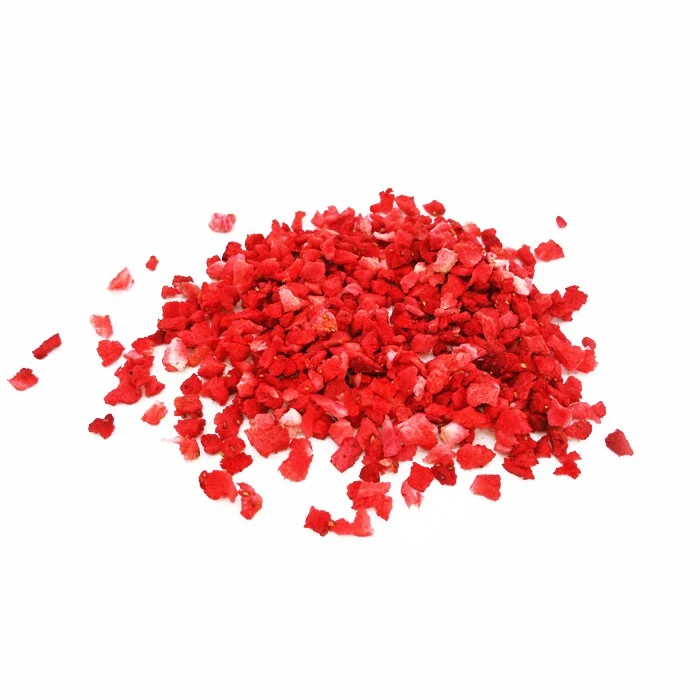
Freeze-drying is a process that removes almost all the moisture from raw foods, preserving their natural nutrients, texture, and flavor. The process involves freezing the food and then reducing the surrounding pressure to allow the frozen water in the food to sublimate directly from the solid phase to the gas phase. The result is lightweight, shelf-stable food with a long shelf life, making it ideal for emergency preparedness, camping, or everyday convenience.
However, because freeze-dried foods have very low moisture content, they are highly hygroscopic, meaning they readily absorb moisture from the air. This makes proper storage crucial to prevent spoilage and maintain quality.
Choosing the Right Storage Containers
The first step in storing freeze-dried raw foods is selecting the right containers. Here are some options:
- Vacuum-Sealed Bags: Vacuum-sealed bags are excellent for long-term storage. By removing air from the bag, you minimize the exposure to oxygen and moisture, which can degrade the food's quality. Use a vacuum sealer for the best results, and consider adding oxygen absorbers for added protection.
- Mylar Bags with Oxygen Absorbers: Mylar bags are known for their durability and excellent barrier properties, making them a popular choice for storing freeze-dried foods. Oxygen absorbers inside the bags help eliminate any residual oxygen, further extending the shelf life. Seal the bags tightly using a heat sealer.
- Airtight Containers: For shorter-term storage or everyday use, airtight containers made of glass or BPA-free plastic are a good option. They provide easy access to the food while still protecting it from moisture and air. Ensure the lids seal tightly to prevent any air ingress.
Ideal Storage Conditions
To maximize the shelf life and quality of your freeze-dried raw foods, store them in the right conditions:
- Cool, Dark Place: Store freeze-dried foods in a cool, dark place, away from direct sunlight, heat sources, and high humidity. The ideal storage temperature is below 70°F (21°C). Higher temperatures can cause the food to degrade more quickly.
- Stable Environment: Avoid storing freeze-dried foods in areas with fluctuating temperatures or humidity levels, as this can lead to condensation inside the containers, causing the food to spoil. A consistent environment helps maintain the food's integrity.
- Low Humidity: Humidity is the biggest enemy of freeze-dried foods. Even a small amount of moisture can cause the food to lose its crispness and potentially lead to spoilage. In areas with high humidity, consider using a dehumidifier or silica gel packets in your storage space.
Monitoring and Maintaining Your Stock
Proper storage also involves regular monitoring to ensure your freeze-dried foods remain in good condition:
- Check for Signs of Moisture: Periodically inspect your storage containers for any signs of moisture, such as condensation or changes in texture. If you notice any, use the affected food immediately or discard it if it shows signs of spoilage.
- Label and Rotate: Label your containers with the date of storage and the contents. This helps you keep track of the age of your food and ensures you use older items first. Regularly rotate your stock to maintain freshness.
- Smell and Taste Test: When opening a container, give the food a sniff and taste a small piece. If it smells off or tastes stale, it may be time to replace it.

Rehydrating Freeze-Dried Raw Foods
When you're ready to use your freeze-dried raw foods, rehydration is a simple process. For fruits and vegetables, soak them in water for a few minutes until they reach the desired texture. For meats, follow the specific instructions for rehydration, as these may vary depending on the type of meat and the intended use. Keep in mind that rehydrated foods may not have the same texture as fresh but will retain their nutritional value and flavor.
