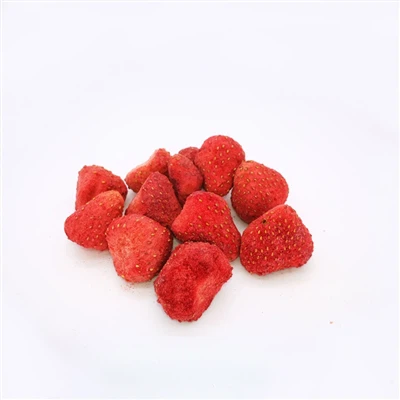
In recent years, the demand for healthy snacks has surged, with consumers increasingly seeking nutritious and convenient alternatives to traditional, calorie-dense snacks. Dried fruit manufacturers are at the forefront of this trend, leveraging their expertise to provide a wide array of dried fruit products that cater to health-conscious individuals.
Why Dried Fruits Are Popular
Dried fruits are naturally rich in essential vitamins, minerals, and fiber, making them a nutritious choice for snacking. They are convenient, have a long shelf life, and come in a variety of flavors, appealing to a wide range of taste preferences. Moreover, dried fruits do not contain added sugars (when processed naturally), making them a healthier option compared to sugary snacks or processed foods.
The Role of Manufacturers in Meeting Demand
Manufacturers play a critical role in maintaining the quality and availability of dried fruits. To meet the growing demand, they have adopted several strategies:
Sourcing High-Quality Raw Materials: Leading manufacturers focus on sourcing fresh, high-quality fruits from trusted suppliers. This ensures that the final product retains its natural flavor and nutritional value.
Advanced Processing Techniques: To maintain the nutrients and quality of the dried fruits, manufacturers use advanced drying methods such as freeze drying and air drying. These methods help in preserving the fruits' taste, texture, and nutritional content while extending their shelf life.
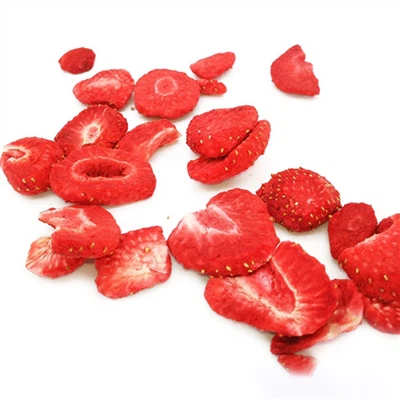
Product Diversification: To appeal to different market segments, dried fruit manufacturers offer a variety of products, including organic options,
unsweetened varieties, and exotic fruit mixes. This product diversity helps meet the preferences of health-conscious consumers and those with dietary restrictions.
Sustainability and Ethical Practices: With the rising concern over sustainability, many dried fruit manufacturers are adopting eco-friendly practices. This includes reducing waste, using sustainable packaging, and sourcing fruits from environmentally responsible farms.
Challenges and Opportunities
While the demand for dried fruits is growing, manufacturers also face challenges, such as fluctuating raw material prices and ensuring product quality across batches. However, these challenges present opportunities for innovation. By investing in quality control, sustainable sourcing, and new product development, manufacturers can continue to meet the evolving needs of the market.
Conclusion
The increasing demand for healthy snacks is a significant driver for the growth of the dried fruit market. As more consumers turn to dried fruits for their convenience and health benefits, manufacturers are adapting to meet this demand with a focus on quality, sustainability, and innovation. This dynamic industry is set to continue expanding as it aligns with the global trend towards healthier, more natural food choices.