


Freeze-drying, also known as lyophilization, is a popular method for preserving food, pharmaceuticals, and other perishable products. It involves freezing the item, then reducing the surrounding pressure and adding heat to allow the frozen water to sublimate. This process effectively removes moisture while maintaining the structural integrity and nutritional value of the product. But does freeze-drying really preserve nutrients as effectively as it's claimed? Let's dive into the science behind freeze-drying and its impact on nutritional content.
The Freeze-Drying Process
To understand how freeze-drying affects nutrients, it's essential to first comprehend the process:
- Freezing: The product is frozen at extremely low temperatures, usually between -30°C to -50°C. This step preserves the shape and size of the food.
- Primary Drying (Sublimation): Under low pressure, the frozen water in the product is converted directly into vapor without passing through the liquid phase. This requires careful control of temperature and pressure to prevent damage to the product.
- Secondary Drying (Desorption): Remaining moisture, typically bound to the product, is removed by gradually raising the temperature. This phase ensures the product reaches a stable moisture level, typically around 1-4%.
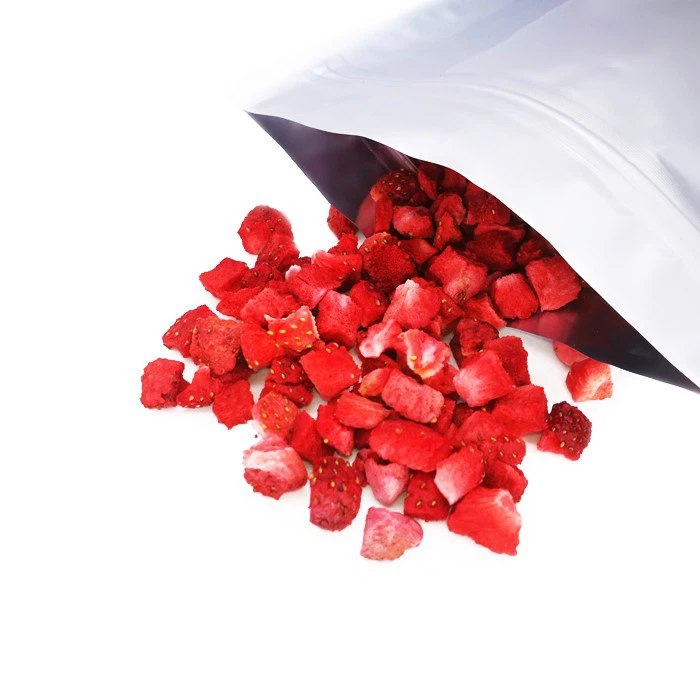
Impact on Nutrients
1. Vitamins:
Vitamin C: This vitamin is highly sensitive to heat and oxygen. However, because freeze-drying is a low-temperature process and occurs in a vacuum, it helps preserve vitamin C better than other drying methods like air or oven drying.
B Vitamins: These are also sensitive to heat and light. Freeze-drying preserves these vitamins effectively, maintaining higher levels compared to other dehydration methods.
2. Minerals:
Minerals such as calcium, potassium, and magnesium are stable and not significantly affected by the freeze-drying process. The structure of these nutrients remains intact, ensuring that the freeze-dried product retains its mineral content.
3. Antioxidants:
Freeze-drying has been shown to preserve antioxidants effectively. Studies indicate that fruits and vegetables retain a higher proportion of their antioxidant compounds when freeze-dried compared to other drying methods. This is crucial for maintaining the health benefits associated with these foods.
4. Proteins and Amino Acids:
The structural integrity of proteins and amino acids is largely preserved during freeze-drying. Since the process involves low temperatures, there is minimal denaturation or loss of these essential nutrients. This makes freeze-dried products suitable for people needing high-protein diets.
5. Enzymes:
While freeze-drying preserves many nutrients, it can inactivate certain enzymes due to the freezing and drying stresses. This inactivation is often desirable in food preservation to prevent spoilage and extend shelf life.

Comparative Analysis with Other Methods
1. Air Drying:
Air drying involves exposing the product to hot air, which can cause significant nutrient loss, especially for heat-sensitive vitamins like vitamin C and B vitamins. The high temperatures and exposure to oxygen can degrade these nutrients, resulting in lower nutritional value.
2. Oven Drying:
Oven drying, like air drying, uses heat to remove moisture. This method can destroy a considerable amount of vitamins and antioxidants due to the higher temperatures involved. While it's effective for drying, it doesn't preserve nutrients as well as freeze-drying.
3. Dehydration:
Traditional dehydration methods, such as sun drying, can lead to substantial nutrient losses due to prolonged exposure to heat, light, and oxygen. Freeze-drying, in contrast, minimizes these exposures, preserving more nutrients.
Practical Benefits
Beyond nutrient preservation, freeze-drying offers other practical benefits:
- Extended Shelf Life: Freeze-dried products can last for years without refrigeration, making them ideal for long-term storage and emergency supplies.
- Lightweight and Portable: The removal of moisture significantly reduces the weight of the product, making it easier to transport and store.
- Convenience: Freeze-dried foods are easy to rehydrate and often retain their original flavor and texture, enhancing their appeal for consumers.

Freeze-drying is an excellent method for preserving the nutritional content of foods. It effectively maintains vitamins, minerals, antioxidants, proteins, and amino acids, making it superior to many traditional drying methods. While some enzyme activity may be lost, the overall nutrient preservation makes freeze-dried products a valuable addition to a health-conscious diet. Whether you're stocking up for an emergency, seeking convenient travel snacks, or just wanting to enjoy the long-term storage of your favorite foods, freeze-drying offers a reliable solution without compromising nutritional value.
