


Freeze-dried strawberries are a popular snack and ingredient known for their intense flavor and lightweight, crispy texture. Beyond their delicious taste, these berries also boast an impressive nutritional profile, including a notable presence of antioxidants. To delve into this topic, it's essential to understand what antioxidants are, their role in our health, and how freeze-drying affects the antioxidant content of strawberries.
Antioxidants and Their Importance:
Antioxidants are compounds that help neutralize free radicals in the body. Free radicals are unstable molecules produced as a natural byproduct of various metabolic processes or introduced through external sources such as pollution, UV radiation, and certain foods. When free radicals accumulate, they can cause oxidative stress, leading to cellular damage and an increased risk of chronic diseases, including heart disease, cancer, and neurodegenerative disorders.
To counteract this potential harm, our bodies rely on antioxidants to stabilize free radicals and prevent them from causing damage. Antioxidants play a crucial role in maintaining overall health and well-being by supporting the body's defense mechanisms against oxidative stress.

Antioxidants in Strawberries:
Strawberries are rich in antioxidants, which contribute to their vibrant red color and numerous health benefits. The primary types of antioxidants found in strawberries include vitamin C, anthocyanins, quercetin, and ellagic acid. Each of these compounds offers unique health-promoting properties.
Vitamin C, also known as ascorbic acid, is a powerful antioxidant that supports the immune system, promotes healthy skin, and aids in the absorption of iron. Strawberries are particularly abundant in vitamin C, making them an excellent dietary source of this essential nutrient.
Anthocyanins are responsible for the red, blue, or purple hues in many fruits and vegetables. These compounds have been associated with a range of health benefits, including anti-inflammatory and antioxidant effects. The deep red color of strawberries indicates the presence of anthocyanins, contributing to the fruit's antioxidant activity.
Quercetin is a flavonoid found in strawberries and other fruits and vegetables. It has anti-inflammatory properties and may help protect against heart disease and certain types of cancers. Quercetin is known for its ability to scavenge free radicals, reducing oxidative stress in the body.
Ellagic acid is another potent antioxidant present in strawberries. It has been studied for its potential anticancer properties, as it may help inhibit the growth of cancer cells and reduce inflammation.
Freeze-Drying Process and Antioxidant Retention:
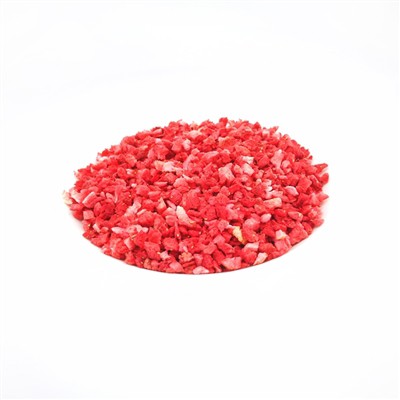
Freeze-drying is a dehydration process that involves freezing the food and then removing the ice by sublimation, which is the direct transition of water from a solid (ice) to a gas (vapor). This method preserves the shape, color, and flavor of the food while extending its shelf life. In the case of strawberries, freeze-drying offers a convenient way to enjoy the fruit's taste and nutritional benefits in a lightweight and shelf-stable form.
The freeze-drying process generally retains a significant portion of the original antioxidant content of strawberries. While some loss of nutrients is inevitable during any food processing method, freeze-drying is known for minimizing nutrient degradation better than traditional drying methods.
Several factors influence the extent of nutrient retention during freeze-drying, including temperature, duration, and the initial quality of the strawberries. Maintaining a low temperature throughout the process is crucial for preserving the delicate structure of antioxidants and preventing their degradation.
It's important to note that while freeze-drying helps retain antioxidants, the overall nutrient content of freeze-dried strawberries may still be slightly lower compared to fresh strawberries. However, the convenience, portability, and extended shelf life offered by freeze-dried strawberries make them a practical and nutritious option for those seeking a convenient way to incorporate antioxidants into their diet.
Benefits of Antioxidants in Freeze-Dried Strawberries:
Consuming freeze-dried strawberries can provide a concentrated dose of antioxidants, offering several potential health benefits:
Oxidative Stress Reduction: Antioxidants in freeze-dried strawberries help combat oxidative stress, reducing the risk of cellular damage and chronic diseases associated with free radical accumulation.
Immune Support: Vitamin C, a prominent antioxidant in strawberries, plays a vital role in supporting the immune system. Regular intake of vitamin C-rich foods, such as freeze-dried strawberries, may contribute to overall immune health.
Heart Health: The antioxidants in strawberries, including anthocyanins and quercetin, have been linked to cardiovascular benefits. They may help lower blood pressure, reduce inflammation, and improve overall heart health.

Anti-Inflammatory Effects: The anti-inflammatory properties of certain antioxidants in strawberries may help alleviate inflammation throughout the body, potentially benefiting conditions such as arthritis and inflammatory bowel diseases.
Cancer Prevention: Some studies suggest that the ellagic acid in strawberries may have anticancer effects by inhibiting the growth of cancer cells and promoting apoptosis (programmed cell death).
Skin Health: Antioxidants, particularly vitamin C, play a crucial role in maintaining healthy skin by promoting collagen production and protecting against oxidative damage from UV radiation and environmental pollutants.
Freeze-dried strawberries retain a substantial amount of antioxidants, making them a convenient and nutritious option for individuals looking to incorporate these compounds into their diet. While the freeze-drying process may result in a slight reduction in overall nutrient content compared to fresh strawberries, the benefits of antioxidants in supporting overall health and well-being remain significant. Including freeze-dried strawberries as part of a balanced diet can contribute to antioxidant intake and provide a tasty, shelf-stable snack or ingredient for various culinary creations.

