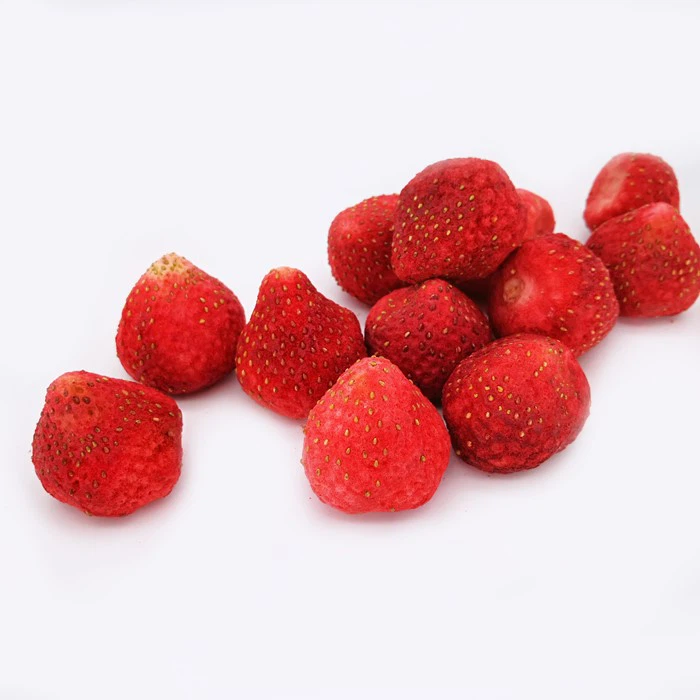
Freeze-drying with a dehydrator is indeed possible, but it's essential to understand that traditional dehydrators are not specifically designed for freeze-drying. Freeze-drying involves a more complex and precise process than simple dehydration. However, with some modifications and additional equipment, you can approximate the freeze-drying process using a standard dehydrator. Let's explore how freeze-drying with a dehydrator works, the limitations, and some tips for achieving the best results.
Understanding Freeze-Drying
Freeze-drying is a method of food preservation that involves freezing the food at extremely low temperatures and then gradually removing the ice crystals by sublimation, converting them directly into vapor without passing through the liquid phase. This process preserves the food's structure, flavor, and nutritional content exceptionally well, resulting in lightweight, shelf-stable products with minimal loss of quality.

Freeze-Drying with a Dehydrator: Process and Modifications
While a traditional dehydrator cannot replicate the exact conditions of a commercial freeze-dryer, it can be adapted to perform a similar function. The key is to create an environment that combines freezing temperatures with low pressure to facilitate sublimation.
Here's a general overview of how to freeze-dry with a dehydrator:
Preparation: Start with fresh fruits or vegetables that you wish to freeze-dry. Wash and slice them into uniform pieces to ensure even drying.
Freezing: Place the sliced produce on a baking sheet or tray lined with parchment paper, making sure the pieces are not touching each other. Freeze the tray of produce until solid. This step helps to initiate the freeze-drying process by forming ice crystals within the food.
Transfer to Dehydrator: Once frozen, transfer the produce to the trays of the dehydrator. Arrange them in a single layer to ensure adequate airflow.
Dehydrating: Set the dehydrator to its lowest temperature setting, typically around 135°F (57°C) or lower. This temperature is higher than what is typically used for freeze-drying but helps to facilitate sublimation. Keep in mind that some dehydrators may not have a low enough temperature setting, so choose the lowest available option.
Monitoring: Allow the dehydrator to run for several hours or even days, depending on the moisture content of the food and the desired level of dryness. It's crucial to monitor the process closely to prevent the food from overheating or becoming too dry.
Cooling: Once the food appears dry and crisp, turn off the dehydrator and let the items cool to room temperature before handling or storing them.
Limitations and Considerations
While freeze-drying with a dehydrator can yield satisfactory results, it's essential to recognize its limitations and potential challenges:
Time-Consuming Process: Freeze-drying with a dehydrator can be a time-consuming process, often taking several days to achieve the desired results. Patience and careful monitoring are necessary throughout the process.
Limited Capacity: Traditional dehydrators may have limited capacity compared to commercial freeze-dryers, which can process larger batches of food more efficiently.
Sublimation Control: Unlike commercial freeze-dryers, which can precisely control temperature and pressure throughout the process, standard dehydrators may not offer the same level of control. This can affect the quality and consistency of the final product.
Equipment Requirements: Achieving optimal results may require additional equipment, such as vacuum sealers and oxygen absorbers, to package and preserve the freeze-dried food effectively.
Tips for Success
To improve your chances of success when freeze-drying with a dehydrator, consider the following tips:
Use High-Quality Produce: Start with fresh, high-quality fruits and vegetables to ensure the best results.
Slice Uniformly: Cut the produce into uniform slices to promote even drying and consistent results.
Pre-Freeze: Freeze the produce before placing it in the dehydrator to initiate the freeze-drying process.
Monitor Closely: Keep a close eye on the progress of the freeze-drying process, adjusting the temperature and airflow as needed to prevent overheating or uneven drying.
Experiment: Be prepared for some trial and error, as freeze-drying with a dehydrator may require experimentation to achieve the desired results.
While freeze-drying with a dehydrator is not as precise or efficient as using a commercial freeze-dryer, it can still be a viable option for home food preservation. By making some modifications and following best practices, you can approximate the freeze-drying process and enjoy the benefits of shelf-stable, lightweight foods with minimal loss of quality. Just remember to be patient, monitor the process closely, and be prepared to experiment to find the best techniques for your needs.