


Freeze-dried strawberries are a popular and convenient snack that many people enjoy for their sweet and intense strawberry flavor. While they are generally considered safe and easy to digest for most individuals, there are certain factors that could potentially lead to stomach discomfort in some cases. In this discussion, we'll explore the reasons behind the possible stomach issues associated with freeze-dried strawberries and how individuals can minimize the risk while still enjoying this tasty treat.
1. Fiber Content: One of the potential reasons freeze-dried strawberries may cause stomach discomfort is their fiber content. While dietary fiber is essential for digestive health, consuming too much fiber, especially for those not accustomed to a high-fiber diet, can lead to bloating, gas, and stomach discomfort. Freeze-dried strawberries retain most of their fiber content, which might be more concentrated compared to fresh strawberries due to the removal of water.
For individuals with sensitive stomachs or those prone to digestive issues, introducing high-fiber foods gradually and in moderation is advisable. This allows the digestive system to adjust and reduces the likelihood of discomfort. If you are not used to a diet rich in fiber, start with a smaller serving of freeze-dried strawberries and gradually increase the amount as your body adapts.

2. Fructans and FODMAPs: Freeze-dried strawberries, like fresh strawberries, contain fructans-a type of carbohydrate that belongs to the FODMAPs (fermentable oligo-, di-, mono-saccharides and polyols) group. Some individuals may be sensitive to FODMAPs, and the consumption of foods high in these compounds can lead to digestive symptoms such as bloating, gas, and abdominal pain.
If you have a known sensitivity to FODMAPs or experience digestive issues after consuming certain fruits, including strawberries, it might be worth considering a low-FODMAP diet or consulting with a healthcare professional or dietitian for personalized advice. In some cases, freezing or freeze-drying fruits can reduce their FODMAP content, but individual tolerances can vary.
3. Dehydration and Lack of Water: The process of freeze-drying removes the water content from strawberries, resulting in a lightweight, crunchy snack. While this preservation method retains the majority of the fruit's nutrients, the lack of water can affect how the body processes and digests the strawberries.
Consuming dehydrated or freeze-dried foods without adequate fluid intake may lead to dehydration, which can contribute to digestive discomfort. It's essential to drink enough water throughout the day, especially when consuming dehydrated snacks, to aid in digestion and prevent constipation.
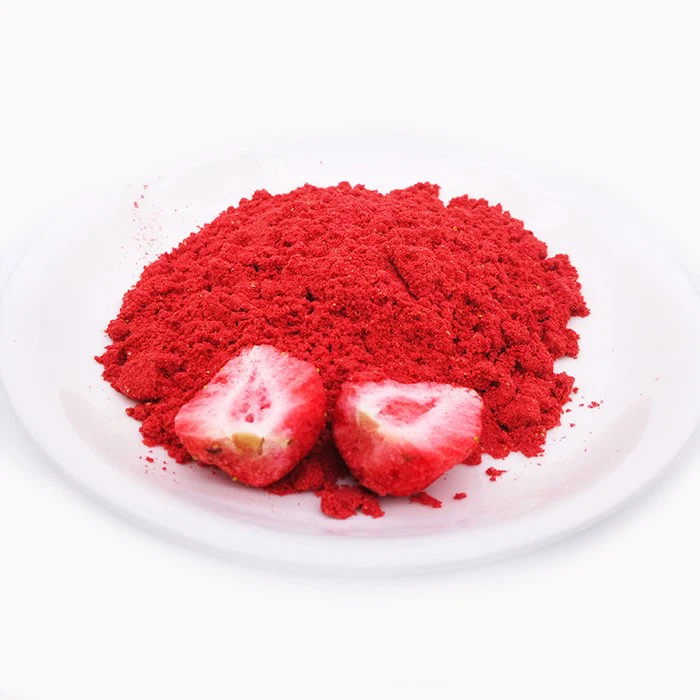
4. Added Ingredients: Some commercially available freeze-dried strawberries may have added ingredients such as sugars, preservatives, or flavor enhancers. These additives can contribute to stomach discomfort in some individuals. Reading the ingredient list before purchasing freeze-dried strawberries can help you choose products without unnecessary additives.
Opting for freeze-dried strawberries with minimal or no added ingredients ensures a purer and healthier snack. Additionally, checking for organic or natural options may reduce the risk of exposure to artificial additives.
5. Individual Sensitivities and Allergies: Individual variations in digestive tolerance can play a significant role in how well someone tolerates freeze-dried strawberries. Some individuals may have specific sensitivities or allergies to components present in strawberries, such as natural compounds or proteins.
If you have a known allergy to strawberries or experience allergic reactions, such as itching, swelling, or difficulty breathing, it's crucial to avoid freeze-dried strawberries altogether and seek immediate medical attention.

6. Eating Too Quickly: The lightweight and crunchy texture of freeze-dried strawberries might lead to rapid consumption, especially if used as a snack or topping. Eating too quickly can result in swallowing air, leading to bloating and discomfort.
Practicing mindful eating, chewing food thoroughly, and savoring the flavor can help prevent overconsumption and reduce the likelihood of stomach discomfort. Taking the time to enjoy freeze-dried strawberries as part of a balanced meal or snack can enhance the overall eating experience.
Conclusion: While freeze-dried strawberries are generally a nutritious and delicious snack, individual tolerance levels can vary. Stomach discomfort associated with their consumption is often linked to factors such as fiber content, FODMAPs, dehydration, added ingredients, individual sensitivities, or eating habits. To minimize the risk of stomach issues, it's advisable to introduce freeze-dried strawberries gradually, be mindful of portion sizes, stay hydrated, choose products with minimal additives, and consider personal digestive sensitivities. If persistent discomfort occurs, consulting with a healthcare professional or dietitian can provide personalized guidance and ensure optimal digestive health.

