


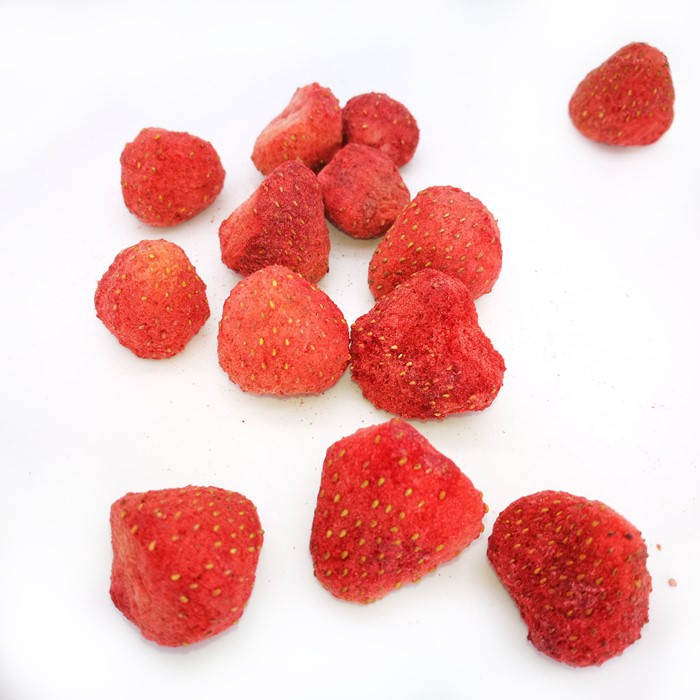
Freeze-dried fruit is a popular snack choice for its convenience, long shelf life, and nutritional benefits. As a healthy alternative to traditional dried fruit, it's commonly used in various recipes, from smoothies to baked goods. However, a common question arises: Can freeze-dried fruit grow mold?
To answer this question, it's important to understand the process of freeze-drying and the conditions required for mold growth.
The Freeze-Drying Process
Freeze-drying, or lyophilization, is a method that removes moisture from fruit through sublimation. This involves freezing the fruit and then reducing the surrounding pressure to allow the frozen water in the fruit to directly convert from solid to gas without passing through a liquid phase. The result is a lightweight, dry product that retains much of the original fruit's flavor, color, and nutritional value.
Mold Growth: Causes and Conditions
Mold is a type of fungus that requires specific conditions to grow, including moisture, warmth, and organic material to feed on. Mold spores are ubiquitous in the environment, and under the right conditions, they can germinate and form mold colonies. The primary factors contributing to mold growth are:
- Moisture: Mold requires a humid or damp environment.
- Temperature: Mold thrives in warm conditions, typically between 77°F and 86°F (25°C and 30°C).
- Nutrients: Organic materials such as fruits provide an ideal nutrient source for mold.
Can Freeze-Dried Fruit Grow Mold?
In theory, freeze-dried fruit should not grow mold due to its low moisture content. The freeze-drying process removes about 98-99% of the water, making it difficult for mold spores to survive and proliferate. However, this does not make freeze-dried fruit completely immune to mold under certain conditions:
- Exposure to Moisture: If freeze-dried fruit is exposed to moisture, either through condensation, high humidity, or improper storage, it can rehydrate partially, creating an environment where mold can grow. For instance, if the packaging is compromised, or the fruit is not stored in an airtight container, it can absorb moisture from the air.
- Contamination: Handling freeze-dried fruit with unclean hands or using utensils that carry mold spores can introduce contaminants. If the fruit comes into contact with moisture after contamination, mold can develop.
- Storage Conditions: Proper storage is crucial. Freeze-dried fruit should be kept in a cool, dry place, ideally in an airtight container to prevent moisture absorption. Even a slight increase in humidity can create a conducive environment for mold spores to germinate.
Preventing Mold Growth on Freeze-Dried Fruit
To ensure your freeze-dried fruit remains mold-free, follow these best practices:
- Airtight Containers: Store freeze-dried fruit in airtight containers to protect it from moisture. Vacuum-sealed bags are an excellent option.
- Cool, Dry Environment: Keep the storage area cool and dry. Avoid placing the fruit near heat sources or in areas with high humidity, such as near a stove or dishwasher.
- Proper Handling: Always handle freeze-dried fruit with clean, dry hands or utensils. This minimizes the risk of introducing mold spores.
- Check Packaging: Inspect the packaging for any signs of damage or leaks. If the packaging is compromised, transfer the fruit to a secure container immediately.
- Desiccant Packs: Including food-safe desiccant packs in the storage container can help absorb any residual moisture and maintain a dry environment.

While freeze-dried fruit is highly resistant to mold growth due to its low moisture content, it is not entirely immune. The key to preventing mold lies in proper storage and handling to keep moisture at bay. By following best practices, you can enjoy the convenience and nutritional benefits of freeze-dried fruit without the worry of mold contamination.
In summary, freeze-dried fruit can potentially grow mold if it is exposed to moisture or contaminants. However, with appropriate storage and careful handling, the likelihood of mold growth is significantly reduced, allowing you to enjoy this healthy snack for an extended period.
