


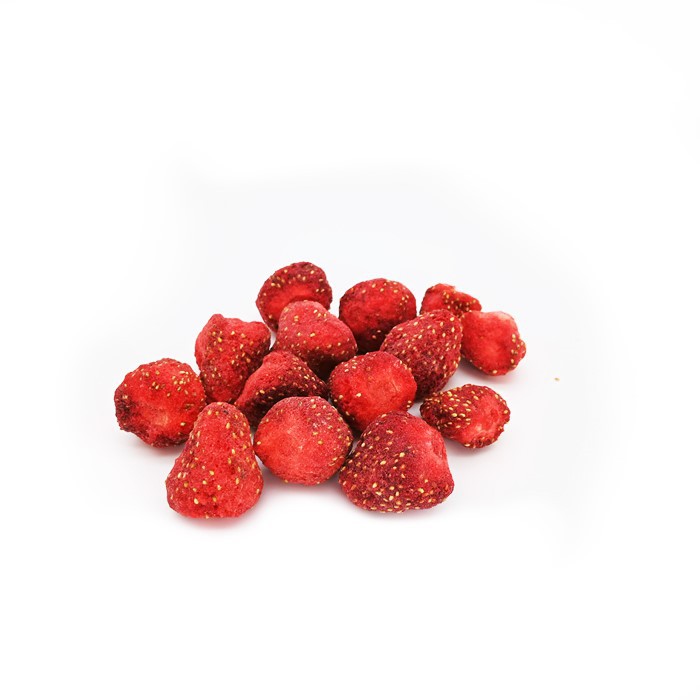
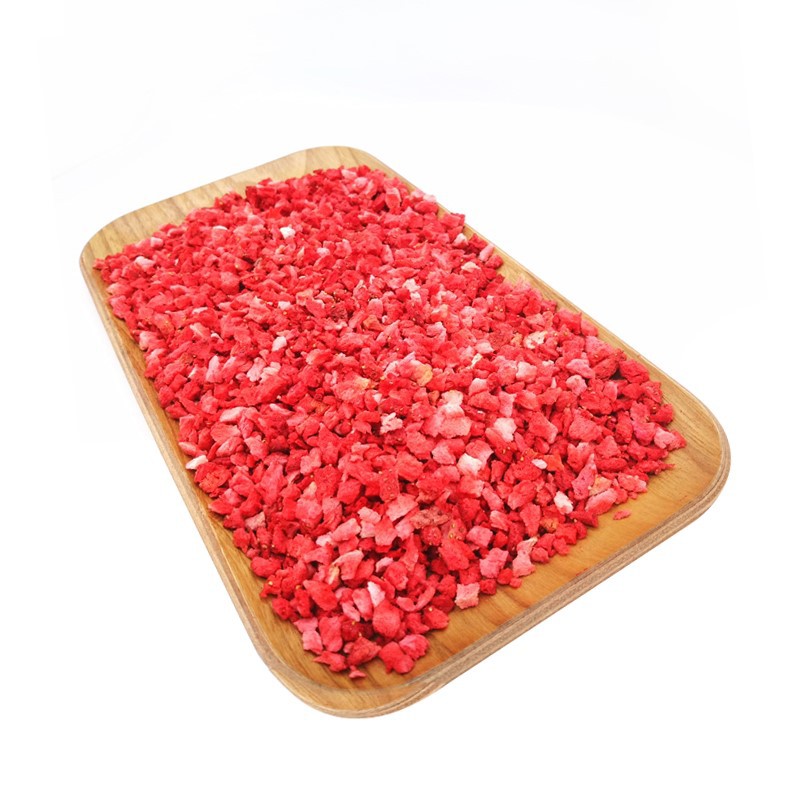
Freeze-dried fruits are a popular and convenient snack option, celebrated for their long shelf life, concentrated flavor, and lightweight nature. While freeze-dried fruits retain much of their original nutritional content, including dietary fiber, there are considerations regarding their potential impact on digestion, including the question of whether they can cause constipation.
Fiber Content in Freeze-Dried Fruits:
One of the key factors influencing digestive health is dietary fiber, and freeze-dried fruits often maintain a significant amount of fiber from their fresh counterparts. Fiber is essential for maintaining a healthy digestive system, promoting regular bowel movements, and preventing constipation.
Mechanism of Action:
Increased Bulk and Softening of Stool:
Fiber adds bulk to the stool, making it easier to pass through the digestive tract.
It also absorbs water, softening the stool and facilitating smoother bowel movements.
Stimulation of Bowel Movements:
Certain types of fiber, such as insoluble fiber, can stimulate bowel movements by promoting peristalsis-the muscular contractions that move food through the digestive system.

Types of Fiber:
It's important to note that there are two main types of dietary fiber: soluble and insoluble.
Soluble Fiber:
Found in fruits, vegetables, and oats.
Dissolves in water, forming a gel-like substance.
Can help regulate blood sugar levels and lower cholesterol.
Insoluble Fiber:
Found in the skins of fruits and vegetables, whole grains, and nuts.
Adds bulk to the stool and aids in moving it through the digestive tract.
Provides a laxative effect, preventing constipation.
Potential Causes of Constipation:
While freeze-dried fruits can contribute to a healthy fiber intake, there are factors to consider that might lead to constipation:
Insufficient Fluid Intake:
Fiber needs water to function effectively in the digestive system.
If you consume a significant amount of freeze-dried fruits without adequate water intake, it might contribute to constipation.
Low Total Fiber Intake:
If freeze-dried fruits are the primary source of fiber in your diet, and your overall fiber intake is low, it could potentially lead to constipation.
Lack of Variety in Fiber Types:
A balanced diet includes a mix of soluble and insoluble fiber. Relying solely on freeze-dried fruits may not provide this balance.
Tips for Digestive Health with Freeze-Dried Fruits:
Stay Hydrated:
Ensure you are drinking enough water throughout the day, especially if you are consuming freeze-dried fruits. This helps prevent dehydration and facilitates the movement of fiber through the digestive tract.
Diversify Fiber Sources:
Include a variety of fiber-rich foods in your diet, such as whole grains, vegetables, and legumes. This ensures a balanced intake of both soluble and insoluble fiber.
Moderation is Key:
While freeze-dried fruits can be a healthy part of your diet, consuming them in moderation and as part of a well-rounded eating plan is important.
Consider Individual Sensitivities:
Some individuals may be more sensitive to certain types of fiber. If you notice digestive discomfort after consuming freeze-dried fruits, consider whether they might be contributing to any issues.
In summary, freeze-dried fruits, with their retained fiber content, can be a valuable addition to a balanced diet. They have the potential to support digestive health by providing both soluble and insoluble fiber. However, like any food, they should be consumed as part of a varied and well-rounded diet, and hydration is crucial to support the proper function of dietary fiber in the digestive system.
If you experience persistent constipation or digestive issues, it is advisable to consult with a healthcare professional. They can provide personalized advice based on your individual health needs and help identify any underlying factors that may be contributing to digestive discomfort. As with any dietary changes, it's essential to listen to your body and make adjustments as needed to promote optimal digestive well-being.

