


Introducing solid foods to babies is a significant milestone that typically begins around 6 months of age, depending on the baby's readiness and developmental stages. Among the various options for snacks and solid food introductions, freeze-dried strawberries may come up as a potential choice. Given their convenience, nutritional value, and flavor, it's worth exploring whether they are suitable and safe for babies.
Nutritional Benefits
Freeze-dried strawberries retain most of the nutrients found in their fresh counterparts, making them a rich source of vitamins, minerals, and antioxidants. Strawberries are particularly high in vitamin C, an essential nutrient for skin health, immune function, and iron absorption. They also provide dietary fiber, which can support digestive health. For babies, these nutrients contribute to their overall growth and development.
Texture and Safety
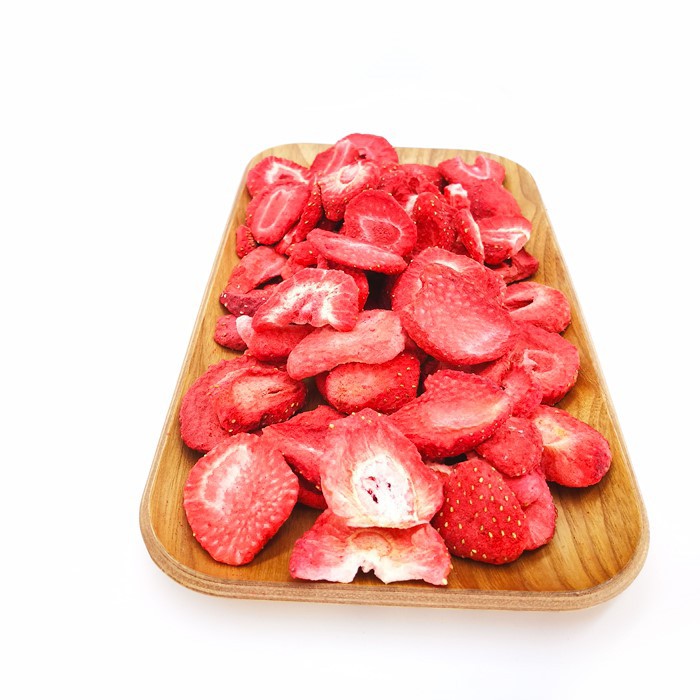
The texture of freeze-dried strawberries is significantly different from fresh strawberries. They are lightweight and crunchy, which might seem ideal for avoiding the choking hazards associated with whole, fresh strawberries. However, it's essential to consider that the crunchy texture can become quite hard, which might not be suitable for babies who are just beginning to explore solid foods.
For babies under one year, particularly those without many teeth, melting the freeze-dried strawberries into a softer, more manageable texture by adding them to porridge or yogurt can make them easier to eat and safer. This approach allows babies to enjoy the taste and nutrition of strawberries without the risk of choking.
Choking Hazards
It's crucial to be vigilant about choking hazards when introducing any new foods to a baby's diet. Freeze-dried strawberries should be served in a form that is safe and appropriate for the baby's age and chewing or gumming abilities. For very young babies, this might mean avoiding whole, freeze-dried strawberries until they are capable of managing more textured foods.
Allergic Reactions
Strawberries are known allergens, and like any new food, they should be introduced to a baby's diet with caution. It's recommended to follow the "four-day wait" rule, where new foods are introduced one at a time, and the same food is given for four days in a row to monitor for any signs of an allergic reaction, such as rash, hives, vomiting, or diarrhea. If any of these symptoms occur, discontinue the food and consult a pediatrician.
Sugar Content
While strawberries naturally contain sugar, it's important to note that the freeze-drying process concentrates flavors and sugars, making freeze-dried strawberries taste sweeter than fresh ones. There's no added sugar in plain freeze-dried strawberries, but the concentrated sweetness might make them more palatable to babies, potentially affecting their preference for less sweet foods. Moderation is key to prevent developing a preference for overly sweet tastes early on.
Additives and Preservatives
When choosing freeze-dried strawberries for babies, it's essential to select products with no added sugars, preservatives, or artificial flavors. Pure, unsweetened freeze-dried strawberries are the best option. Always check the ingredient list to ensure the product is free from unwanted additives.
Serving Suggestions
For babies ready to explore freeze-dried strawberries, consider the following serving suggestions:
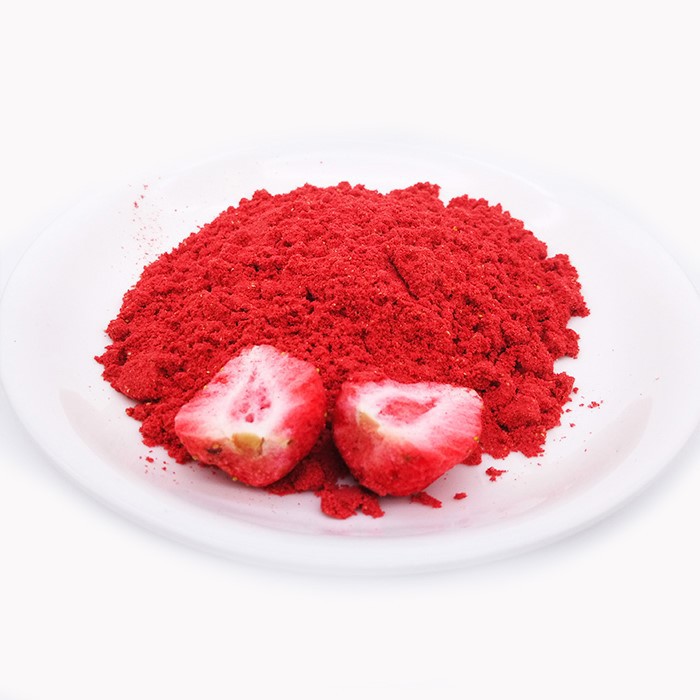
Powdered: Crush freeze-dried strawberries into a fine powder and sprinkle it over baby cereal or mix it into purees for a flavor boost.
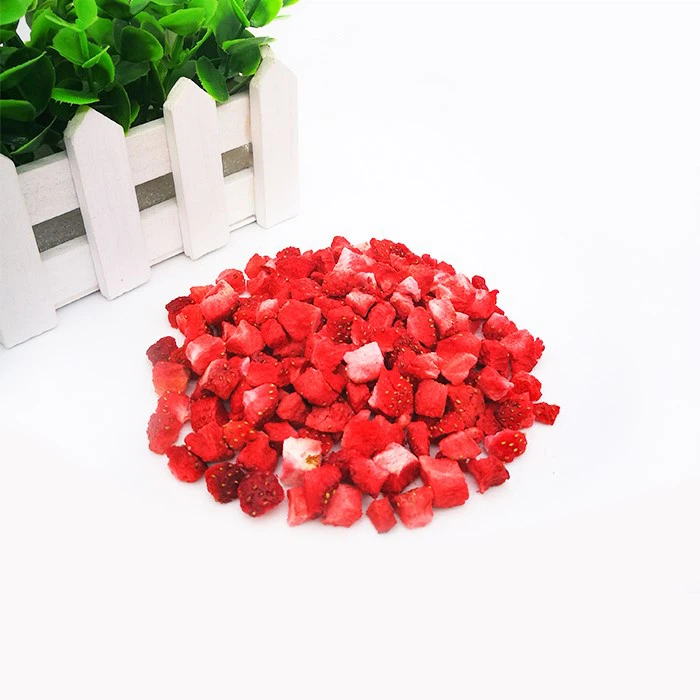
Soaked: Rehydrate small pieces of freeze-dried strawberries with breast milk, formula, or water to make them softer and easier for the baby to handle.
Mixed: Incorporate crushed or powdered freeze-dried strawberries into yogurt or oatmeal for older babies, providing a new texture and flavor experience.
Freeze-dried strawberries can be a nutritious addition to a baby's diet when introduced appropriately and safely. Their nutritional benefits, including high levels of vitamin C and fiber, make them an attractive option for parents looking to diversify their baby's food intake. However, it's crucial to consider the baby's age, developmental stage, and potential allergy risks when introducing freeze-dried strawberries. Modifying the texture to suit the baby's chewing abilities, monitoring for allergic reactions, and choosing products without additives are essential steps to ensure a positive and safe eating experience. As always, when introducing new foods to a baby's diet, consulting with a pediatrician or a pediatric nutritionist can provide personalized advice and guidance.

