


In recent years, root vegetable chips have gained popularity as a supposedly healthier alternative to traditional potato chips. With varieties made from beets, sweet potatoes, parsnips, and even taro, these colorful snacks are marketed as a more nutritious option. But are root vegetable chips truly healthy, or are they just another fad?
Nutritional Benefits of Root Vegetables
Root vegetables are known for their rich nutritional profiles. Beets, for instance, are high in fiber, folate, and antioxidants. Sweet potatoes are celebrated for their high vitamin A content and low glycemic index, which makes them a favorite among those watching their blood sugar levels. Parsnips are a good source of vitamin C, vitamin K, and folate, while taro is rich in dietary fiber and essential minerals like magnesium and potassium.
These nutritional benefits make root vegetables a solid choice when incorporated into a balanced diet. However, the process of turning these vegetables into chips can significantly alter their health benefits.
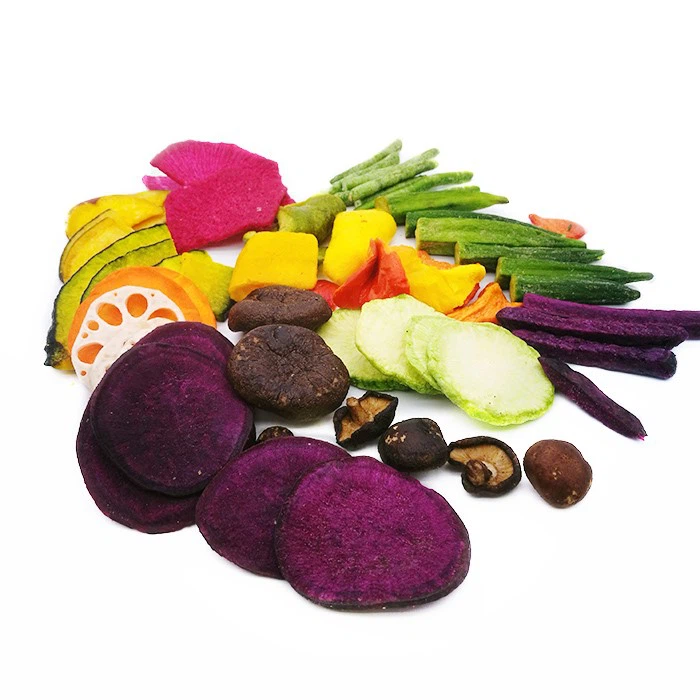
The Process of Making Root Vegetable Chips
To understand the health implications of root vegetable chips, it is essential to examine the manufacturing process. Typically, these chips are made by slicing root vegetables thinly and then frying, baking, or air-drying them.
Frying: Most commercially available root vegetable chips are fried, which adds a considerable amount of fat and calories. The high temperatures used in frying can also lead to the formation of acrylamides, potentially harmful chemicals linked to cancer risk.
Baking: Baking is a healthier alternative to frying. Baked chips generally contain less fat and fewer calories. However, even baked chips often have added oils and salts to enhance flavor and texture.
Air-Drying: Air-dried chips are usually the healthiest option as they involve minimal processing and no added fats. However, these chips can sometimes be less crispy and may not have the same appeal as their fried counterparts.
Added Ingredients
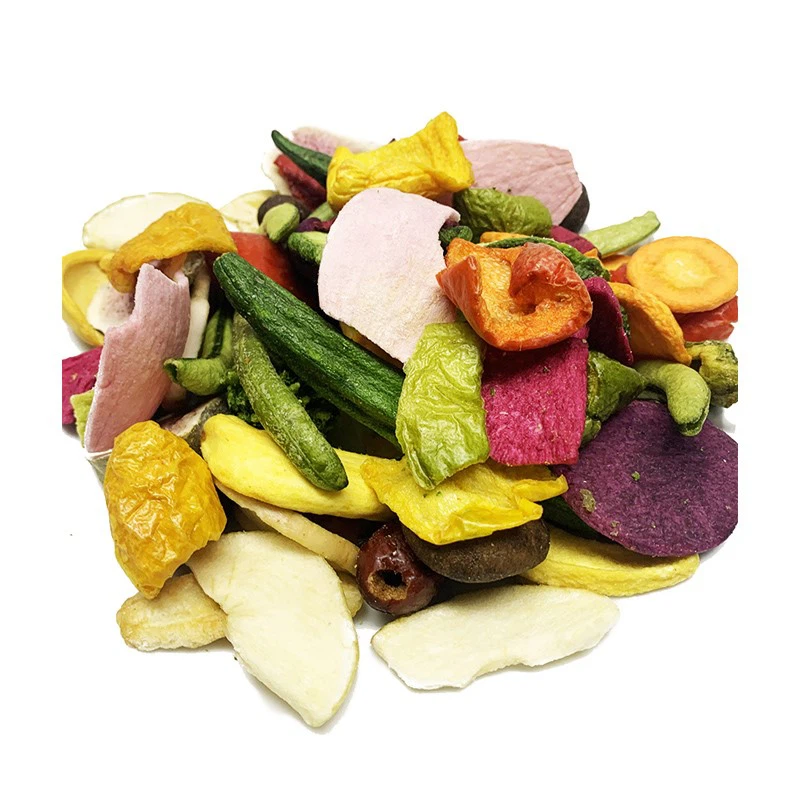
Another aspect to consider is the addition of other ingredients during processing. Many root vegetable chips contain added salt, sugar, and artificial flavors to improve taste and shelf life. These additives can diminish the nutritional value of the chips and contribute to issues like high blood pressure, heart disease, and obesity when consumed in excess.
Comparing to Traditional Potato Chips
When compared to traditional potato chips, root vegetable chips can offer more vitamins and minerals. However, this does not automatically make them a healthy choice. The high calorie and fat content of many root vegetable chips, especially those that are fried, means they should still be consumed in moderation.
The Bottom Line
While root vegetable chips do have some nutritional advantages over traditional potato chips, particularly in terms of their vitamin and mineral content, they are not a health food by default. The method of preparation and the presence of added ingredients play a significant role in determining their overall health impact.
For those looking to enjoy root vegetable chips as part of a healthy diet, homemade versions can be a good option. By slicing root vegetables thinly, lightly coating them with a small amount of olive oil, and baking them at a low temperature, you can control the amount of added fat and salt. Air-frying is another excellent alternative that minimizes added fats while achieving a satisfying crunch.
In conclusion, root vegetable chips can be a part of a healthy diet when consumed in moderation and prepared in a health-conscious manner. As with any snack, it is crucial to pay attention to portion sizes and overall dietary balance. By making informed choices, you can enjoy these vibrant, tasty chips without compromising your health.

