


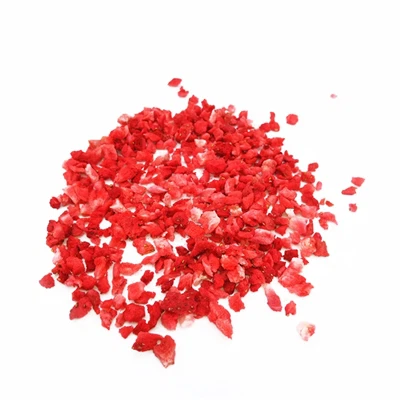
Freeze-dried strawberries are indeed processed, but it's important to understand what this means in the context of food processing and how it impacts their nutritional value, safety, and place in a healthy diet. The term "processed" can encompass a wide range of techniques, from basic cooking to the addition of various non-natural ingredients. Here, we'll delve into the specifics of freeze-drying and consider the broader implications of consuming freeze-dried strawberries.
Understanding Freeze-Drying
The Freeze-Drying Process: Freeze-drying, also known as lyophilization, involves several key steps. First, the strawberries are frozen rapidly. Next, they are placed in a vacuum, which causes the frozen water in the strawberries to sublimate, or transition directly from solid ice to vapor. This process removes almost all the moisture without the high temperatures used in traditional drying methods.
Preservation of Nutrients: Unlike some other forms of food processing, freeze-drying does a good job of preserving most of the nutrients in strawberries. Vitamins, minerals, fiber, and antioxidants are largely retained, although there is some loss of heat-sensitive nutrients, such as vitamin C.
No Additives Required: Freeze-drying naturally preserves the strawberries without the need for added sugars, preservatives, or other additives. This makes freeze-dried strawberries a healthier option compared to many other processed snacks, especially those with added sugars or preservatives.

Nutritional Profile and Health Considerations
Caloric Density and Sugar Content: Because the water is removed, freeze-dried strawberries are more calorically dense than fresh strawberries. The natural sugars are also more concentrated, so they may taste sweeter.
Fiber and Antioxidants: The fiber content and antioxidants like flavonoids and phenolic compounds are well preserved in freeze-dried strawberries. These contribute to various health benefits, including improved digestive health and potential reduction in the risk of certain chronic diseases.
Vitamin Losses: Some vitamins, notably vitamin C, are partially lost during the freeze-drying process. However, freeze-dried strawberries still contribute a significant amount of this nutrient.
Glycemic Impact: The removal of water doesn't significantly change the glycemic index of the fruit. Freeze-dried strawberries still have a relatively low glycemic index, making them suitable for most diets, including those for people with diabetes.
Environmental and Practical Aspects
Shelf Life and Food Waste: The extended shelf life of freeze-dried strawberries reduces food waste, an important consideration in environmental sustainability. This can be especially beneficial in regions where fresh produce is not always available or during off-season periods.
Energy Use in Processing: The freeze-drying process is energy-intensive, which is a consideration for environmental impact. However, the reduction in food waste and the long shelf life can offset some of these concerns.
Convenience and Versatility: Freeze-dried strawberries offer convenience and versatility. They can be easily transported, stored for long periods, and used in a variety of ways, from being eaten as a snack to being incorporated into meals and recipes.
Dietary Integration
As Part of a Balanced Diet: Freeze-dried strawberries can be a healthy part of a balanced diet. They are particularly useful as a nutritious snack alternative to less healthy processed foods.
Portion Awareness: Given their higher sugar concentration and caloric density, it's important to be mindful of portion sizes when consuming freeze-dried strawberries, especially if you're watching your calorie intake.
Mixing Fresh and Freeze-Dried: To maximize nutritional benefits, it's ideal to consume a mix of fresh and freeze-dried strawberries. This way, you can enjoy the unique advantages of each.
Conclusion
Freeze-dried strawberries are a processed food, but one that retains much of the nutritional value of fresh strawberries. They are a convenient, versatile, and generally healthy option, particularly as a snack or ingredient in various dishes. While there is some loss of nutrients, particularly vitamin C, and an increase in caloric density, they still offer significant health benefits. As with any food, they are best consumed as part of a diverse and balanced diet.

