


Dehydrated vegetable chips have gained popularity as a convenient, crunchy, and seemingly healthier alternative to traditional potato chips. But are they really as healthy as they seem? Let's explore the nutritional aspects of dehydrated vegetable chips, their benefits, and how long dehydrated vegetables can last.
What Are Dehydrated Vegetable Chips?
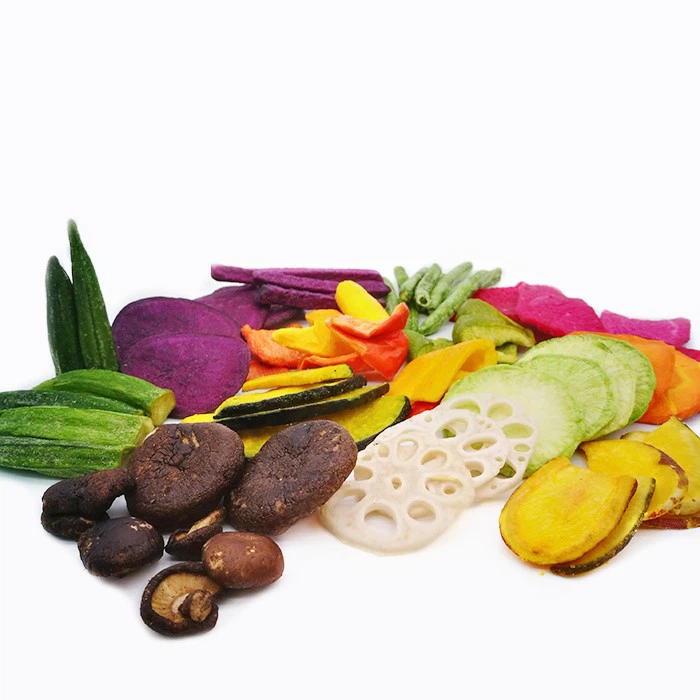
Dehydrated vegetable chips are made by removing the water content from vegetables through a drying process. This can be done using methods such as air drying, freeze-drying, or using a dehydrator. The result is a crispy, shelf-stable snack that retains much of the flavor and nutrients of fresh vegetables.
Are Dehydrated Vegetable Chips Healthy?
The healthiness of dehydrated vegetable chips largely depends on how they are prepared and the ingredients used.
Nutritional Value:
Dehydration preserves many of the nutrients in vegetables, including fiber, vitamins, and minerals. However, some vitamins, particularly vitamin C and some B vitamins, can be lost during the dehydration process due to heat and exposure to air. On the plus side, dehydrated vegetables are low in fat and calories, making them a great option for those looking to manage their weight.
Beware of Additives:
Commercially produced vegetable chips may contain added salt, sugar, or unhealthy oils, which can diminish their health benefits. Always check the ingredient list for added preservatives or flavorings that may not align with your dietary goals. Opt for products that contain only vegetables and minimal or no added ingredients.
Portion Control:
One downside to dehydrated vegetable chips is that they can be easy to overeat. Since the water is removed, the chips are less filling than their fresh counterparts, so it's easy to consume a large quantity without realizing it. Keeping an eye on portion sizes can help prevent this.
How Long Will Dehydrated Vegetables Last?
Dehydrated vegetables, including chips, have a significantly longer shelf life than fresh produce. When stored properly in an airtight container, away from light and moisture, dehydrated vegetables can last anywhere from 6 months to a year, and sometimes even longer. The exact duration depends on factors such as the type of vegetable, the dehydration method, and storage conditions.
For optimal freshness and taste, it's recommended to store dehydrated vegetable chips in a cool, dry place. If you're dehydrating vegetables at home, make sure they are completely dry before storing them, as any residual moisture can lead to mold growth and spoilage.
Frequently Asked Questions
1. Can dehydrated vegetable chips be a part of a balanced diet?
Yes, dehydrated vegetable chips can be part of a balanced diet when consumed in moderation and without excessive additives. Pair them with other nutrient-dense foods for a well-rounded snack.
2. Are dehydrated vegetable chips better than fried chips?
In general, dehydrated vegetable chips are healthier than fried chips, as they typically contain less fat and fewer calories. However, it's essential to choose products without unhealthy additives.
3. Can you dehydrate vegetables at home?
Yes, dehydrating vegetables at home is simple and cost-effective with the use of a dehydrator or even an oven. Homemade chips allow you to control the ingredients and avoid unnecessary additives.
Conclusion
Dehydrated vegetable chips can be a healthy snack option when made with minimal additives and consumed in moderation. They offer a crunchy, nutrient-rich alternative to traditional chips, and their long shelf life makes them a convenient pantry staple. Whether store-bought or homemade, dehydrated vegetable chips are a tasty way to enjoy the benefits of vegetables on the go.

